COM antennas and access plates

I’ve been working on finishing the following things under the rear seat and baggage floor boards prior to closing them up:

  1. 4 Conduit runs per side all secured to ribs and tailcone bulkheads. – Done
  2. Drilling holes for the COM antennas under the rear seats and installing backing plates – Done.
  3. Fabricating access plates on the rear seat pans to access the COM antennas. – Done
  4. Installing sound proofing. – 50% complete.

Some pics of the progress.

Four conduit runs were added to each side (3 shown here). Catepillar grommits added to lighting holes. Sticky zip-tie bases were pop riveted to the ribs to secure the conduit to the ribs. I took some scrap metal and made a cover for the lighning hole coming into the tailcone area and drilled 3 holes in it to secure the conduit along with a small section of angle riveted with an Adel Clamp for another lighting hole. This setup is mirrored on the right side as well.

Securing the conduit

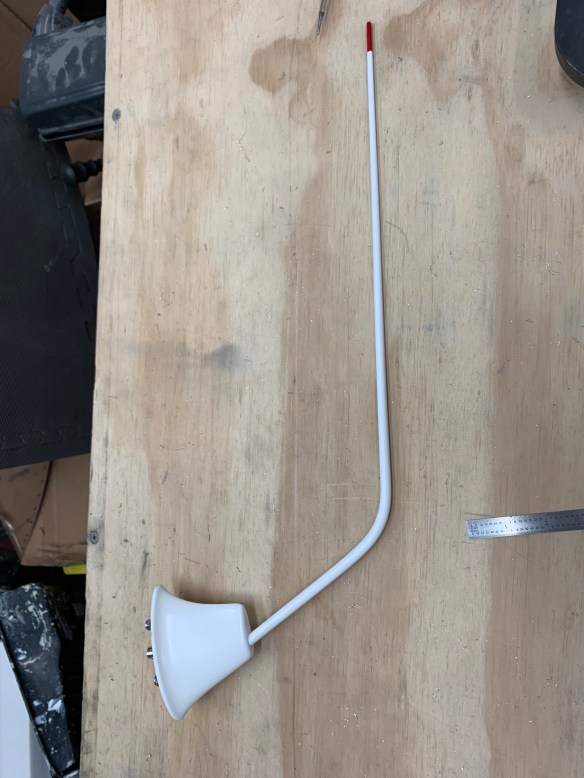
I then drilled holes for the Delta Pop bent whip COM antennas I am using. Both COM antennas are going under the rear seats in the 2nd bay.  I used some 0.040″ sheet stock to fabricate up some backing plates to help with the extra drag imposed by the antennas on the skins. My friend Justin visited the project over the weekend and I was able to get him to help rivet the backing plates on. Thanks, Justin!

Antenna hole pattern drilled

Backing plate ready for riveting

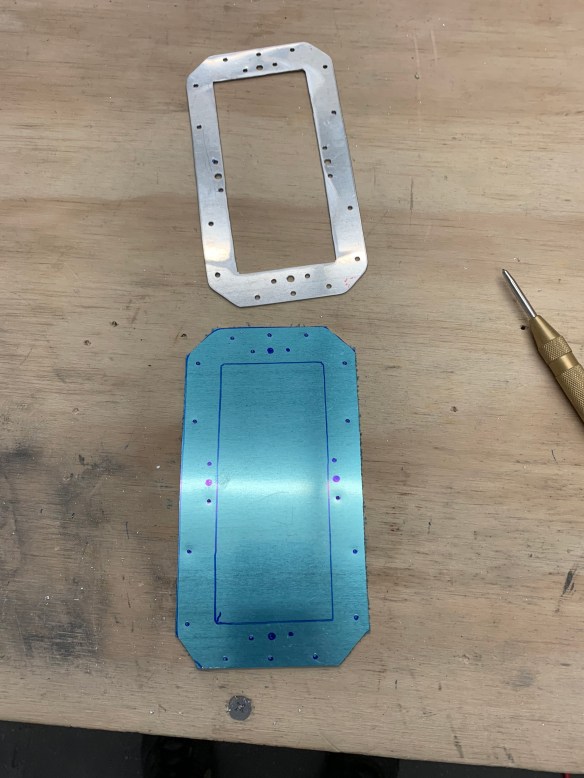
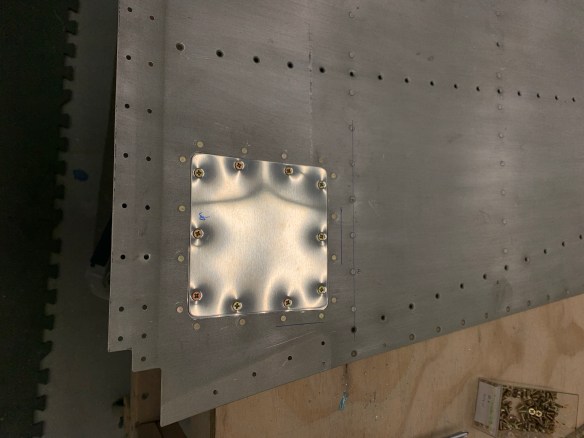
I then needed to fabricate access plates for the rear seat pans seeing I’ll want/need access to the COM antennas to secure them and attach the coax cable at a later time. Not to mention it’s always good to have future access for maintenence.

Seeing the spacing between the ribs of the rear seats is pretty tight, I modeled the access plates after the VANs stall warning access covers just shrunk down.

One backing plate done, another in process

Backing plate installed on seat pan

Custom cover screwed into place

Both left and right side access covers complete

I’ve also managed to cut templates out of cardbooard using the rivet hole pattern of the floor pans and then transferred them to the soundproofing material I’m using. All of that is cut out and will be the last thing I install prior to closing up the floors for good.

More Goodies

While on vacation in Park City, UT , a number of items arrived.

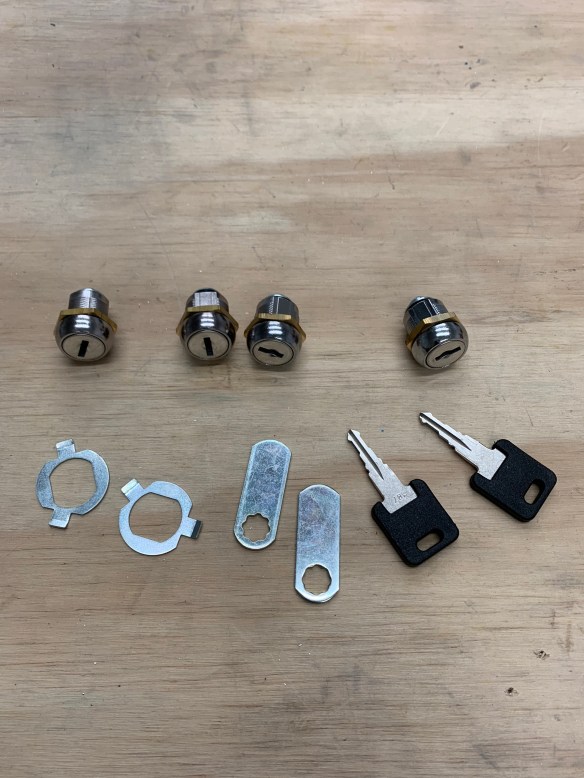
Baggage door and main door locks. These will be used to lock the baggage door as well as both doors to the cabin in unison with the Planearound 180 door latch system.

VOR/LOC/GS antenna. I plan to mount this on top of the Vertical Stabilizer. Something I didn’t do while working on that originally. I figure I’ll have some time here and there to get this going while waiting for other things.

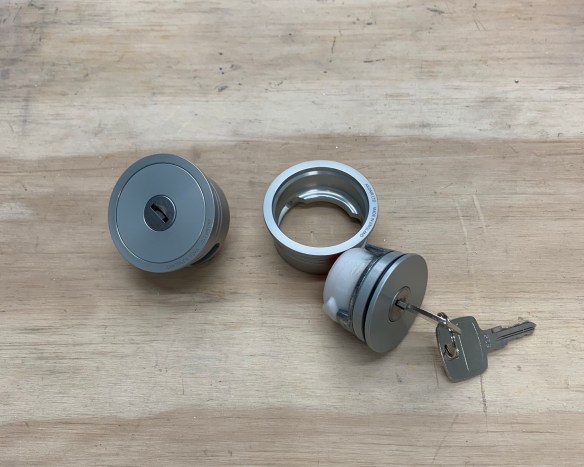
Locking fuel caps. I’ve never been a fan of the original gas cap. It seems to be very difficult to even get your fingers under the mechanism to open the cap up. These collars proseal into the existing tank opening. The only downside is the fuel opening is a little smaller as a result.

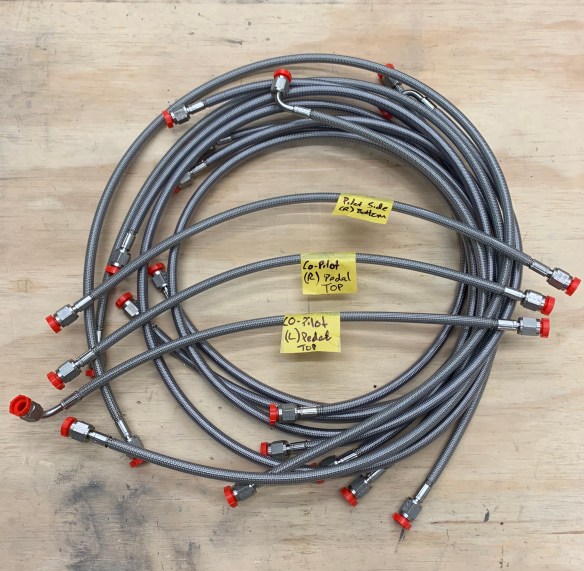
Stainless braided teflon brake line hoses.

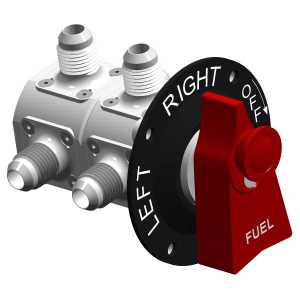
And finally, the Andair duplex fuel selector, 6″ extension, and valve

.

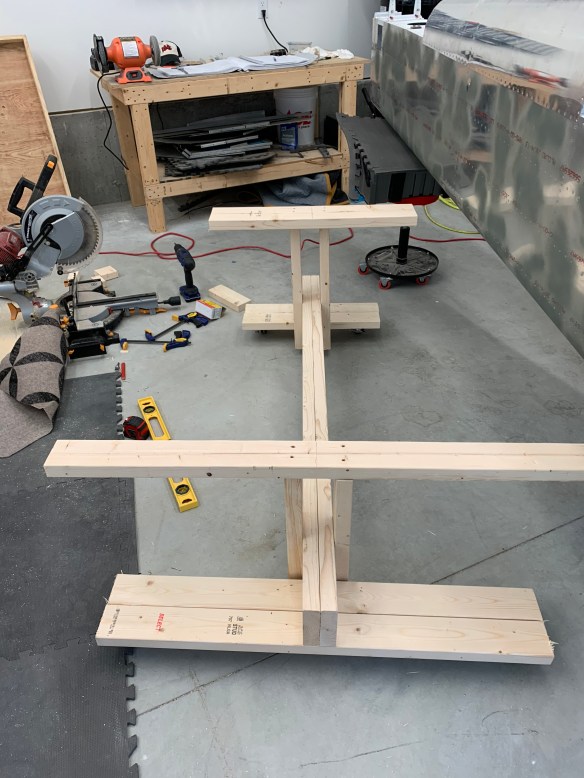
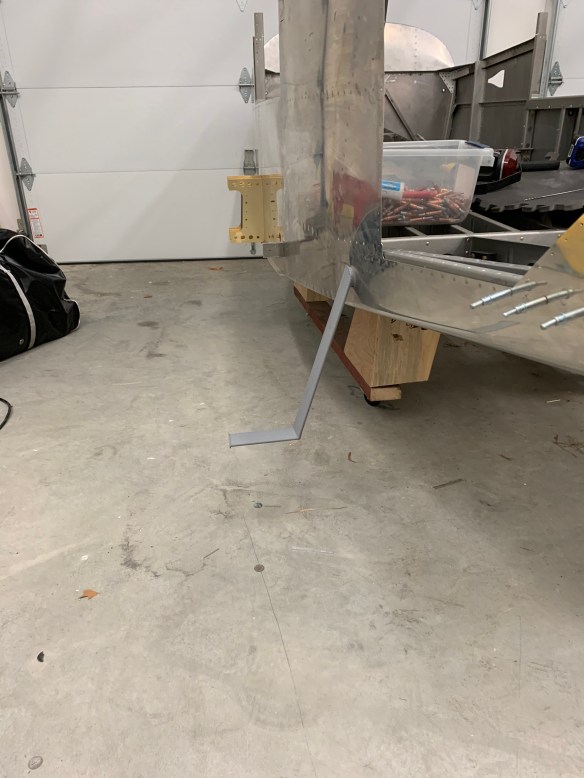
Tailcone support

Spent a couple hours over the weekend building a proper support for the back half of the plane. I really needed my adjustable roller seat back and support for when I’m crawling around in the back of the plane.

I’ve added access panels for getting to the step bolts if I ever have a need in the future.

I also got my COM antennas, which I plan to mount under the rear seats. More goodies….

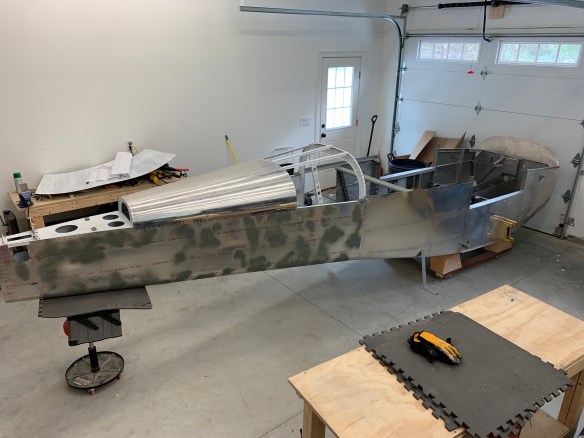
Currently working on COM antenna doublers for the skin, access panels for the antennas, finishing conduit runs, and soundproofing under the floors prior to closing up the baggage and rear seat areas, as after that, there will no longer be access to these areas.

Tailcone and Fuselage are one!

And some other goodies have arrived.

With the help of my wife and a friend, last weekend I was able to finish riveting the tailcone to the fuselage.

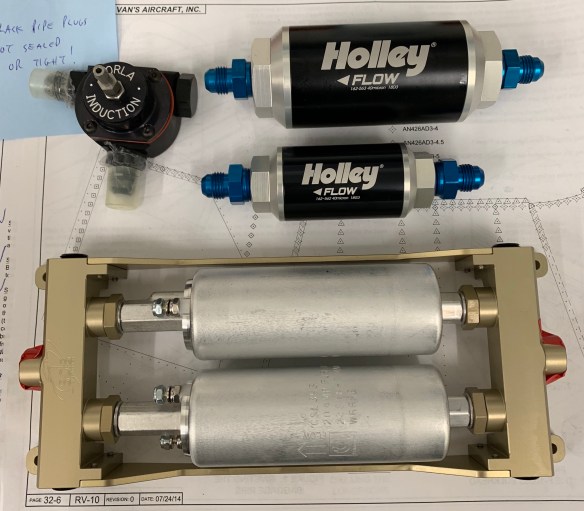
I’ve also recieved my SDS dual fuel pump, filters, and pressure regulator for my fuel system.

I’m now working on the baggage area and finalizing my order of flexible brake and fuel lines with Tom over at TS Flightlines

Starting the baggage door frame

Electrical Architecture

As I’ve mentioned previously when putting a fuel return port into my gas tanks, I plan to go full EFII (Electronic fuel injection and ignition). That means I’ll have an electrically dependent airplane and, being such, demands quite a bit of attention to the electrical architecture to have redundancy to always keep the fan turning. Fortunately, there is a guy by the name of Bob Nuckolls over at the AeroElectric Connection who has written a book outlining basic electrical principles (most of which I already know being an EE), and provides multiple different time-proven architectures having worked in the industry for many years.

Early on, I had really settled on his Z-14 architecture, which is a dual battery, dual alternator, split (redundant) bus architecture. In-depth schematics are located across 2 pages here and here for those interested. This allows one to take approx half of the load and run it on one bus independent from the other. The idea would be to have the left glass panel, #1Nav/Com, and a handful of other goodies on one bus, and have the #2 Nav/Com, the right-most glass panel etc.. on the other bus. That way you should always be able to navigate, communicate, and get on the ground even under IMC conditions. Additionally, the EFII system is redundant too in the sense that there are 2 ECU modules, 2 fuel pumps, 2 ignition coils, etc… so each of those would be powered off of their respective redundant power busses such that you always have power to at least one of the redundant pair. The 2 busses also have the ability to crossfeed, meaning that if a failure occurs which takes out one bus, it’s possible to continue to use it by having the 2nd bus feed it. That feed won’t be at the same overall capacity as you are now on a single battery and alternator, but most stuff should be able to be used after doing some non-critical load shedding.

I’m getting close to pluming in my brake and fuel lines and systems so I’ve recently started researching more details into the architecture and also the SDS EFII solution I have chosen. First off, I’ve ordered the Andair duplex fuel selector that I’ll need to both select and return  fuel from one of the tanks.
fs2020-d2-1

Duplex fuel selector

I’ve also placed an order for my dual fuel pump module (shown below), filters, and pressure regulator.

fuelpump25

Dual fuel pump

One thing that I have discovered is the fact that there is only one set of injectors into each engine cylinder for the fuel injection (i.e. not redundant), so there becomes a need to be able to power those devices from either battery. I was figuring that I was going to need to diode-Or the two battery busses together in order to accomplish that. Fortunately there was some really good discussion on VAF about this very topic and various architectures for an EFII setup. The end result was a slightly modified Z14 architecture that provides just that. I am currently planning on going with this as the architecture for my plane.

basic z14 arch

Z14 Electrical Architecture with addition of Diode-OR’ed Engine Bus

Credit for the diagram goes to Dan Horton.

Ignore the alternator amperages for now. I will need to work out my exact electrical loading and size everything appropriately.

Talking to the architecture diagram, you have 2 separate batteries that provide their respective battery busses. These feeds are directly off the battery. The battery busses are then joined together via switches and diodes to form an Engine bus. One could simply put the fuel injectors on this engine bus and keep all the other redundant engine components on their respective battery busses, but the point was made that once you have to have an engine bus, you might as well put all critical engine components on it. The switches would provide a way to isolate the engine bus from either side if something really bad happened on one of the sides that it was impacting the engine bus somehow.

The upper part of the diagram shows each battery feeding a a main and aux contactor (what your master switch typically turns on) powering a main and aux bus which all of the other electrical devices will sit on. There is the cross-feed (cross tie) contactor which allows one bus to drive the other, and each bus has its own alternator.

There will be no single point of failure that can cause the engine to shut off, if something happens, the goal of the architecture is to be able to keep flying while diagnosing and planning to get on the ground as soon as practical. Another benefit of this is if there were ever smoke in the cockpit, the first reaction will be to shut off the master switches. This is still the response here. The panel will go dark, but the engine will still run.

There is still lots of work to do on specifics, but I feel like I have a solid foundation to work from.
We have steps!

I’ve spent the last few days finishing off items on my list that I accumulated while inspecting the Quickbuild Fuselage.

One of those items was to finish riveting the forward floor boards. I had once considered spraying some insulation under the floor boards for sound proofing, but after doing some research on VAF, I’ve decided against putting any insulation there. It’s best practice to keep all insulating material several inches back from the firewall so it doesn’t get hot and burn/smoke/out gas in the event of a fire. There’s just no guarantee that I could achieve that by spraying.

Front Right passenger foot well all riveted

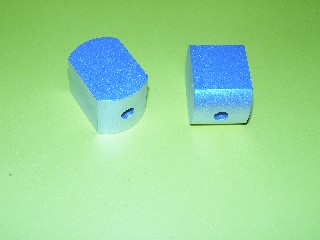
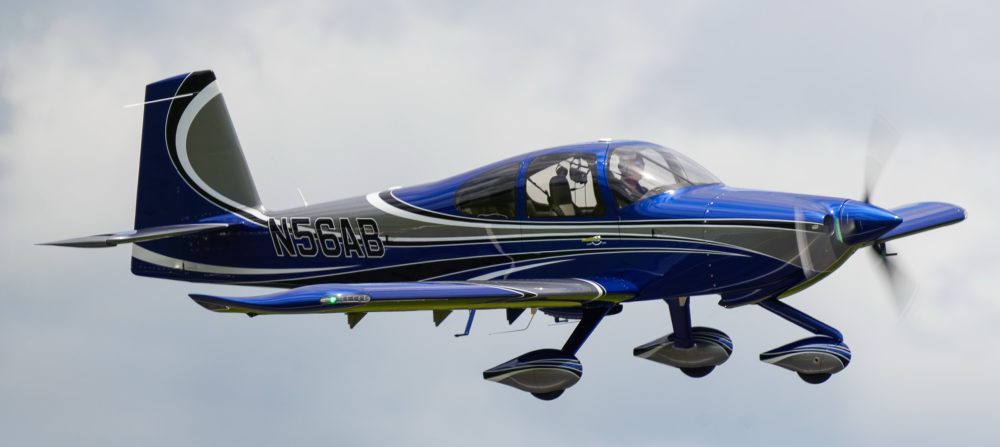
The other main item I finished up was permanently attaching the steps. Most of the items in this section were already done as part of the quickbuild, all I had to do was slide the steps in and bolt them in position. One minor tweak that I did was to install bushings inside of the step tube right at the bolt hole. There have been complaints over time that the steps become loose/wiggly. The idea here is that the bolt doesn’t really have much to tighten against as it’s basically just going through the center of a hollow tube and crushes it (makes it oval instead of round) when tightening. So TCW Technologies came up with these perfectly sized bushings to insert into the step tube and give the tube some rigidity right at the bolt hole.

Here’s a picture of the bushings:

OLYMPUS DIGITAL CAMERA

Here are the installed steps:

Left Step

Right Step

Both Steps from behind

Back at it!

Today I pounded some rivets! Felt good to get going again.

I managed to put the baggage door shims and floor angles on both sides. I also drilled out a few rivets and trimmed the baggage door seal which wasn’t trimmed down per plans. There are certainly a few things that fall into that category on the Quickbuild kits.

November 2018 Update

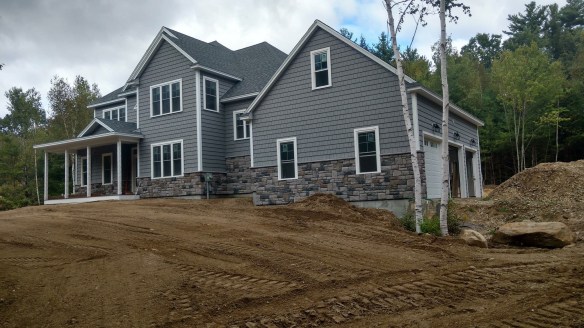
It’s been about a year from my last post. It’s been quite the hectic year between raising our son, selling our home, and building our new home.

Declan is now almost 16 months old. He’s now walking around (okay running most of the time) getting into lots of trouble. He really is a pretty happy guy most of the time and is developing well. His length continues to be in the >97th percentile. He says lots of words, and even has started putting 2 words together. He’s also started daycare part time so my wife has been able to increase her work hours from 2 days per week up to 4 days.

We de-cluttered and listed our home, put the airplane project in storage :(, and sold our home on the first weekend it was on the market in Mid-May. There were a bunch of delays actually closing with a couple of home sale contingencies,  which worked out in our favor seeing we had no place to live otherwise. Eventually though, we closed on September 17th and now have that chapter of our lives behind us.

As I write this, we are still in between houses. The new house is done and we are just waiting on the “Cleared to Close” indication from the mortgage underwriters. It’s been very frustrating to have a house ready to move into and we can’t close for a number of reasons. The first was there is a law that says you have to be given the Closing Disclosure at least 3 days prior to closing, the other is that due to all the delays, our file with the mortgage company had expired and it seems they had to re-review everything again, taking some additional time.

We should be closing this week (week of Nov 4th) either on Tuesday or Wednesday. After re-reading some of my blog, and hanging out at the airport yesterday and talking about RV building, I remember just how much I miss actively building. I’ll be very much looking forward to getting settled in our new home and get building underway again.

New House.. Almost done.

Declan’s 2018 Costume

Halloween 2017 Update

Our son, Declan, was born on July 13th.. He’s now 3.5 months old and doing well. Jeanine and I are adjusting well to parenthood.


Since then it’s been pretty difficult to find time to work on the plane. So there’s really no update on my plane progress. This was part of the reasoning for going the Quickbuild route. I’m way further along than I would be otherwise.

I’ve recently have felt like I could have spent some time here or there on the plane, but have been a bit distracted by house projects and getting it ready….

Ready for what you say???

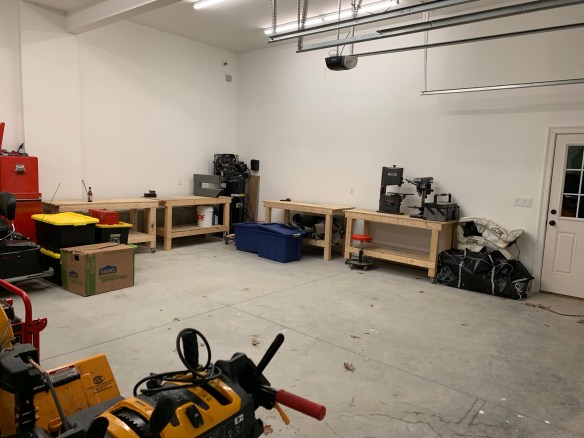
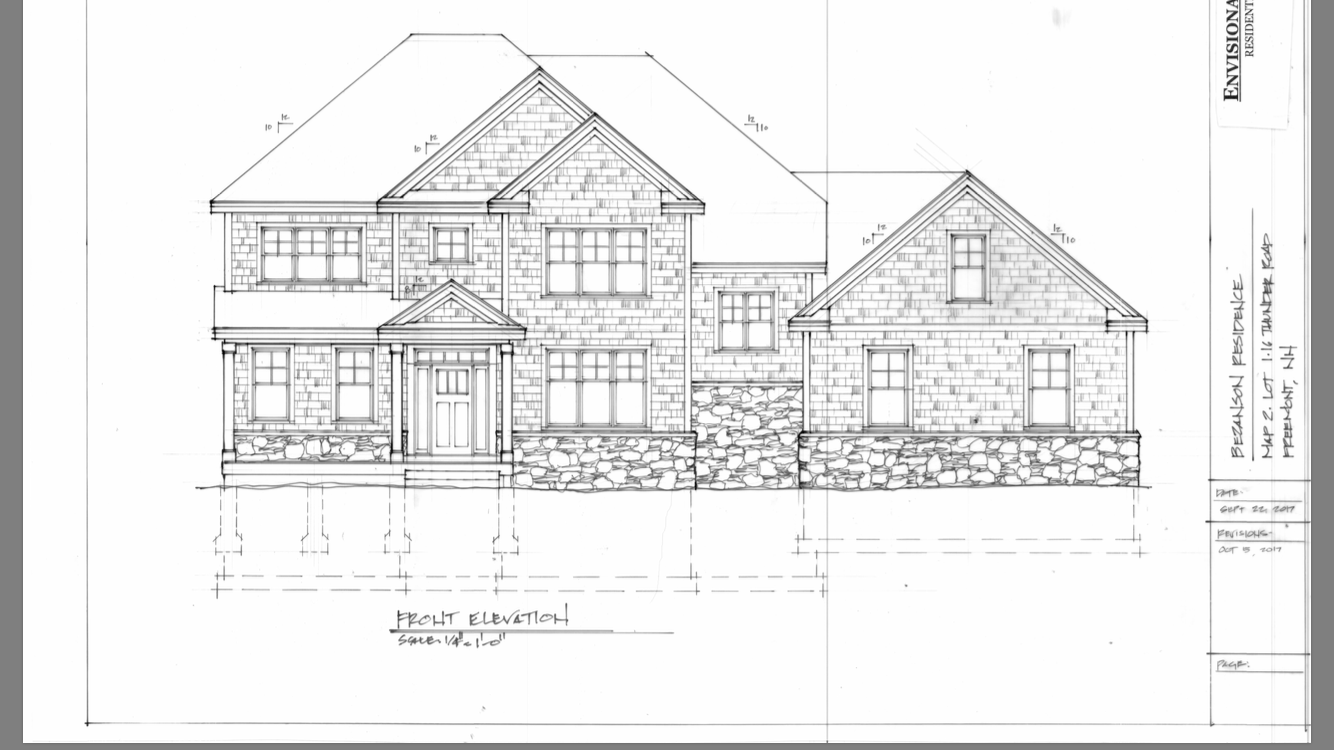
Jeanine and I have always talked about moving to a new house. Specifically, we don’t like our lot. It’s more of a side-to-side lot, with no back yard and near a busy main street with little privacy. If it were just us, we’d probably just stay where we are. We like our neighborhood and neighbors, but with the addition of Declan, we’ve started thinking about it more again. We really weren’t thinking of looking seriously until spring at the earliest, but we found some new construction in our town about 5 minutes away from where we currently are. The timing of such works out that it wouldn’t be done until spring anyways. That’ll give us time to finish a couple of outstanding projects and literally “clean house” prior to putting  it on the market in the early spring.  Some of those projects are done or in process. We’ve been working with an architect to come up with a design, which is now finalized. We’re waiting on the builder to provide the final pricing based on the plans and get final financing commitment prior to breaking ground sometime in late November or early December. The new house will have a 3 car garage; 34’x24′ in size, of which 2 bays will be my new airplane factory. That’ll provide much more space than the single bay I’m working in now, and should allow me to keep the plane at home until much later in the process.

So very exciting (any busy) times ahead, so plane building will take a back seat for the next few months so that we can work on getting this house ready, planning finishings etc… for the new house, as well as care for an infant. 🙂 In the end it’ll be a welcomed delay to be in our forever home. After that, the airplane build can commence.

Here are a couple of profiles from the plans…