Rudder Riveting and 3M VHB Frustration

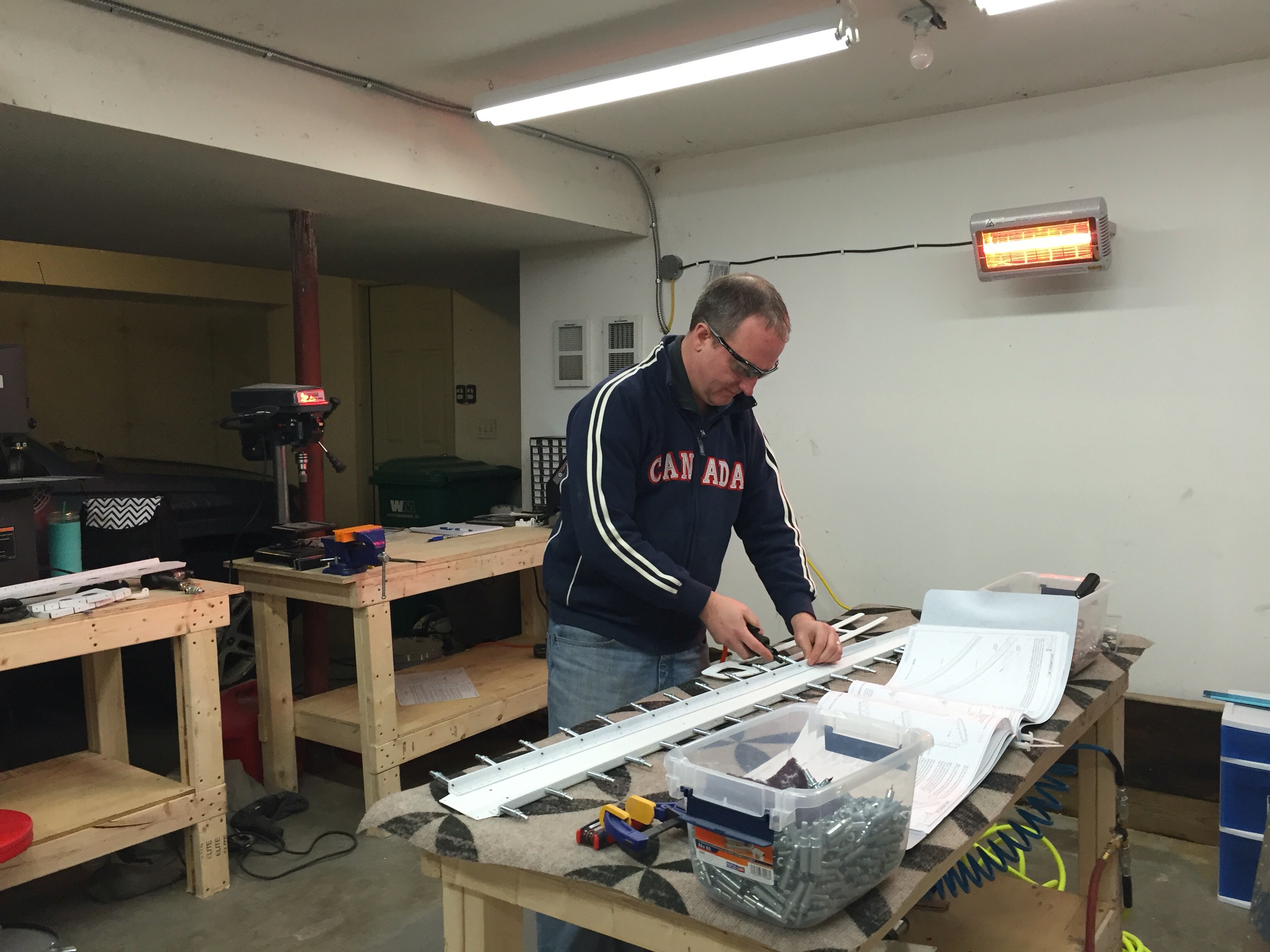
Spent the day today riveting a good portion of the rudder.

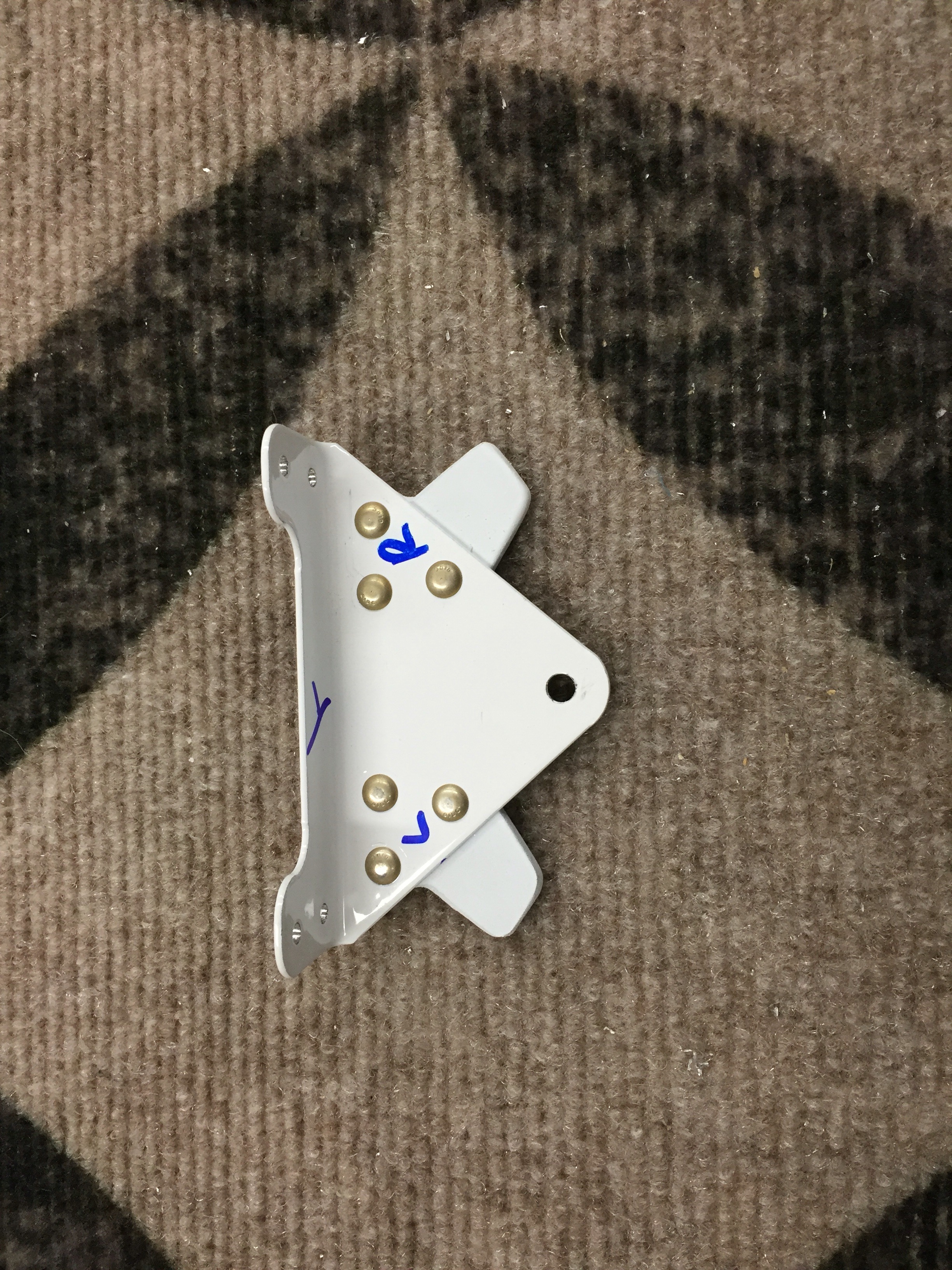
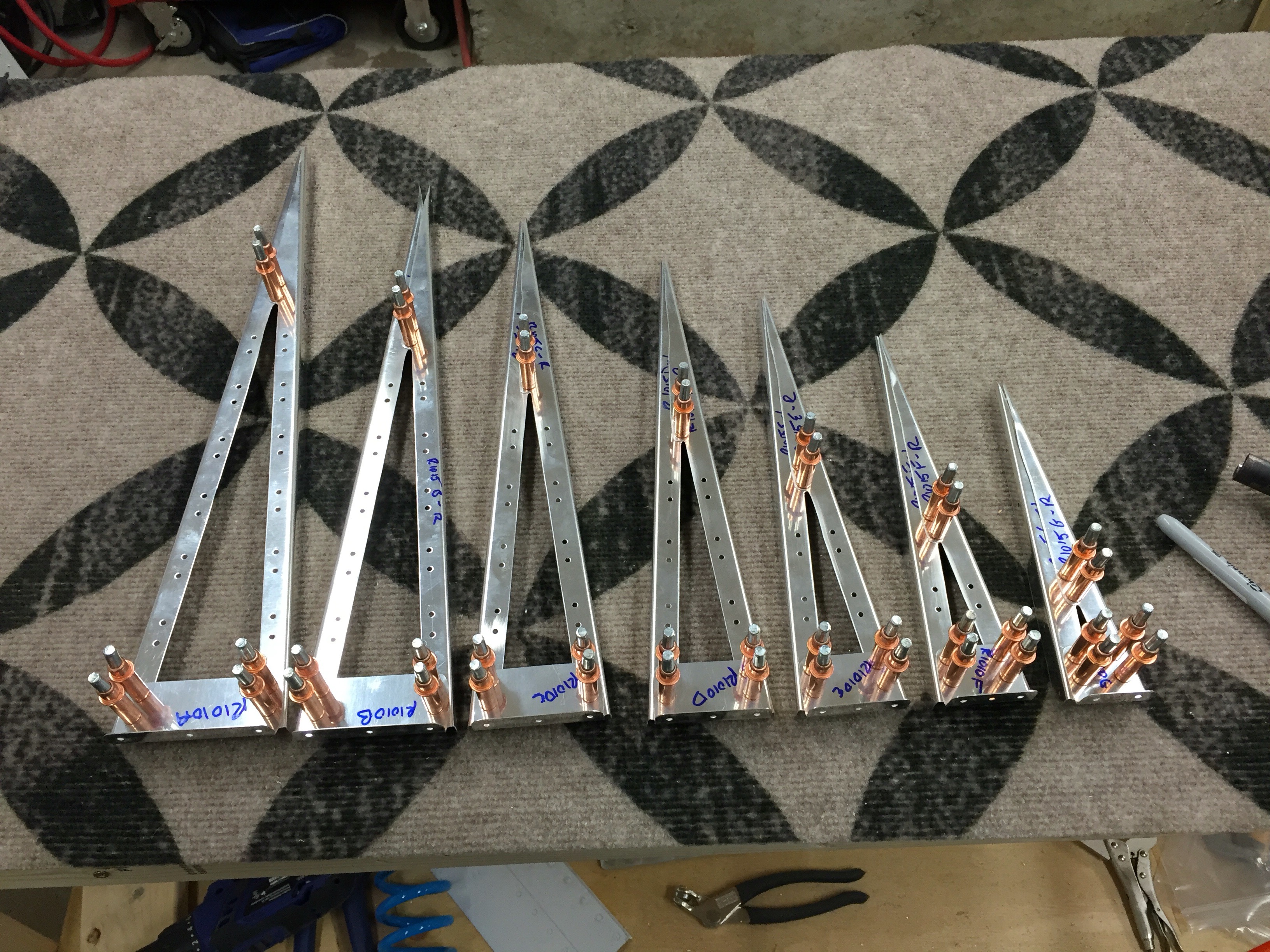
First up was riveting the lower rib together, followed by adding a nutplate to the rudder horn, then riveting the horn to the bottom rib.
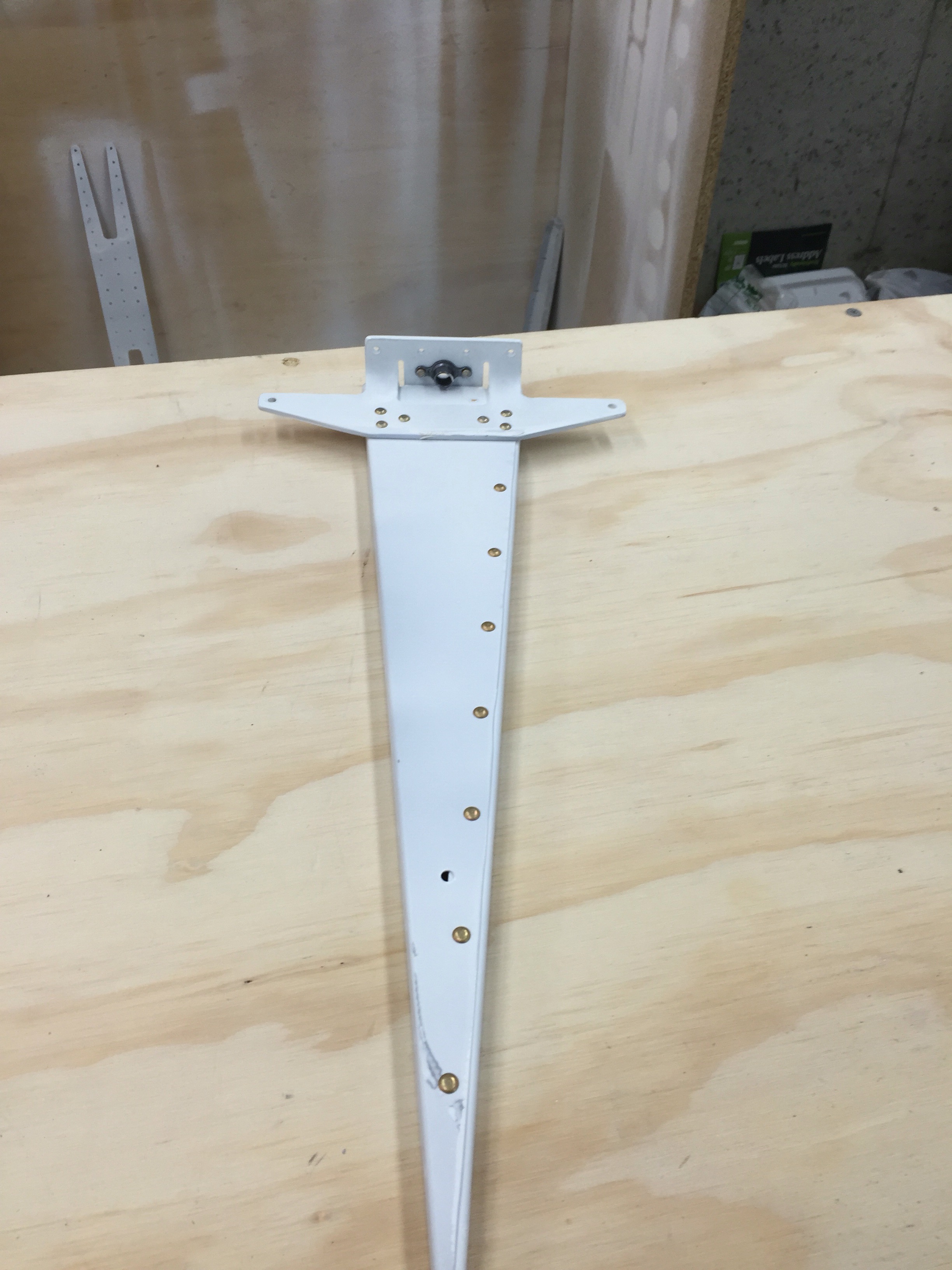
 

Then I riveted the stiffener plates and their associated nut plates onto the spar (no pictures of this)

Then we got to back riveting the stiffeners onto the skins. This went relatively easy.

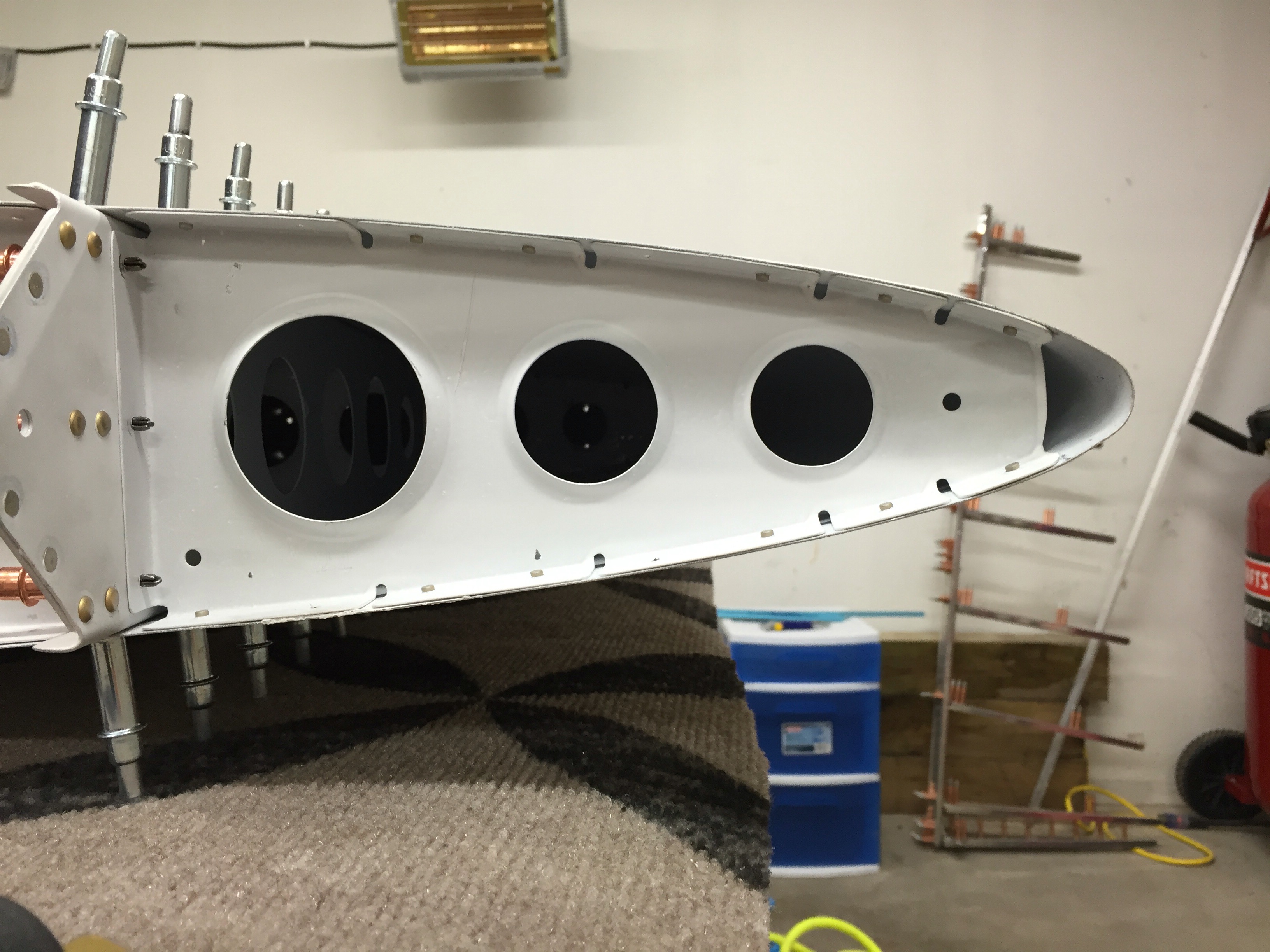
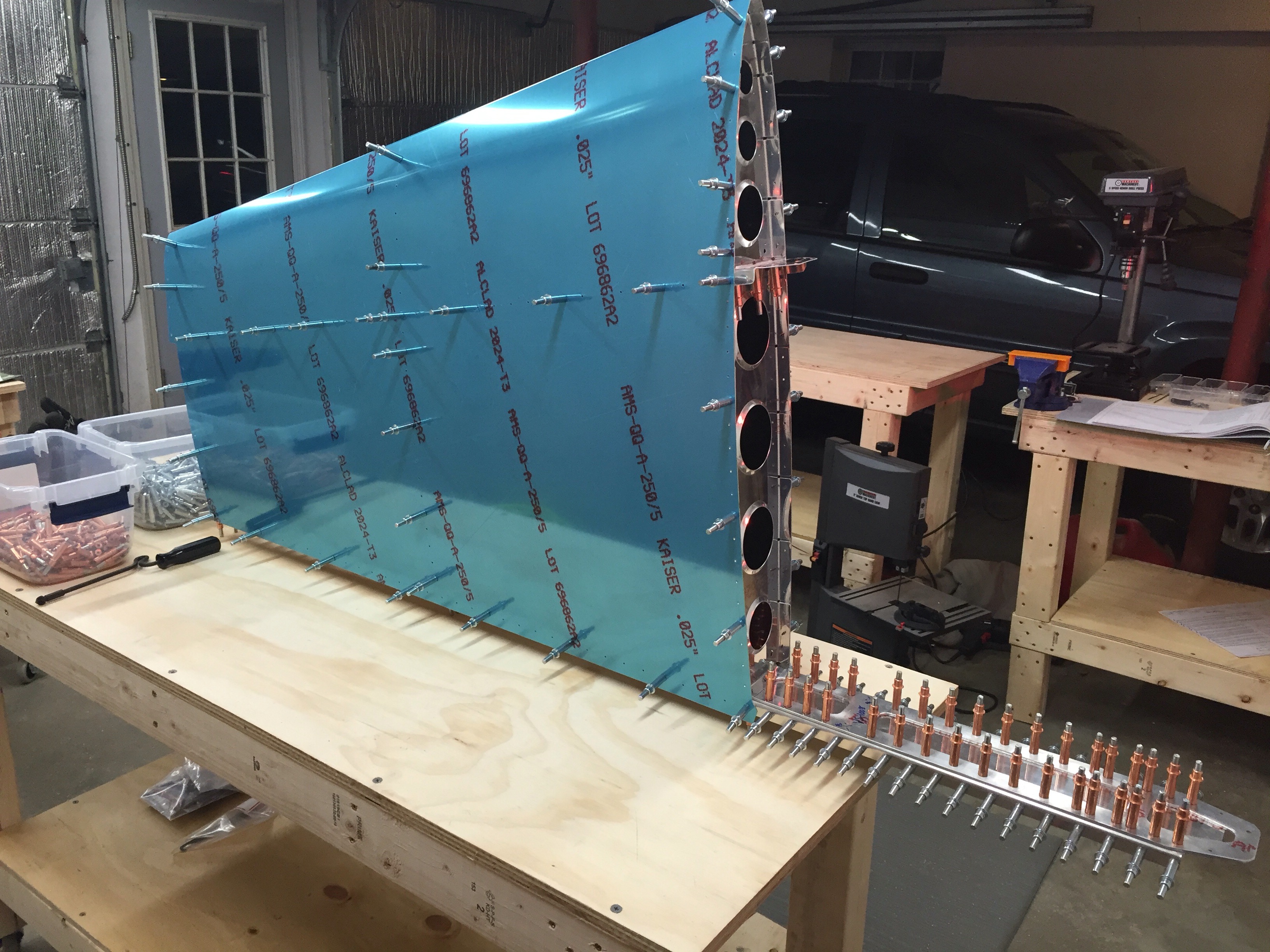
Then I riveted on the bottom and top ribs along with the stiffener clips to the right side skin.
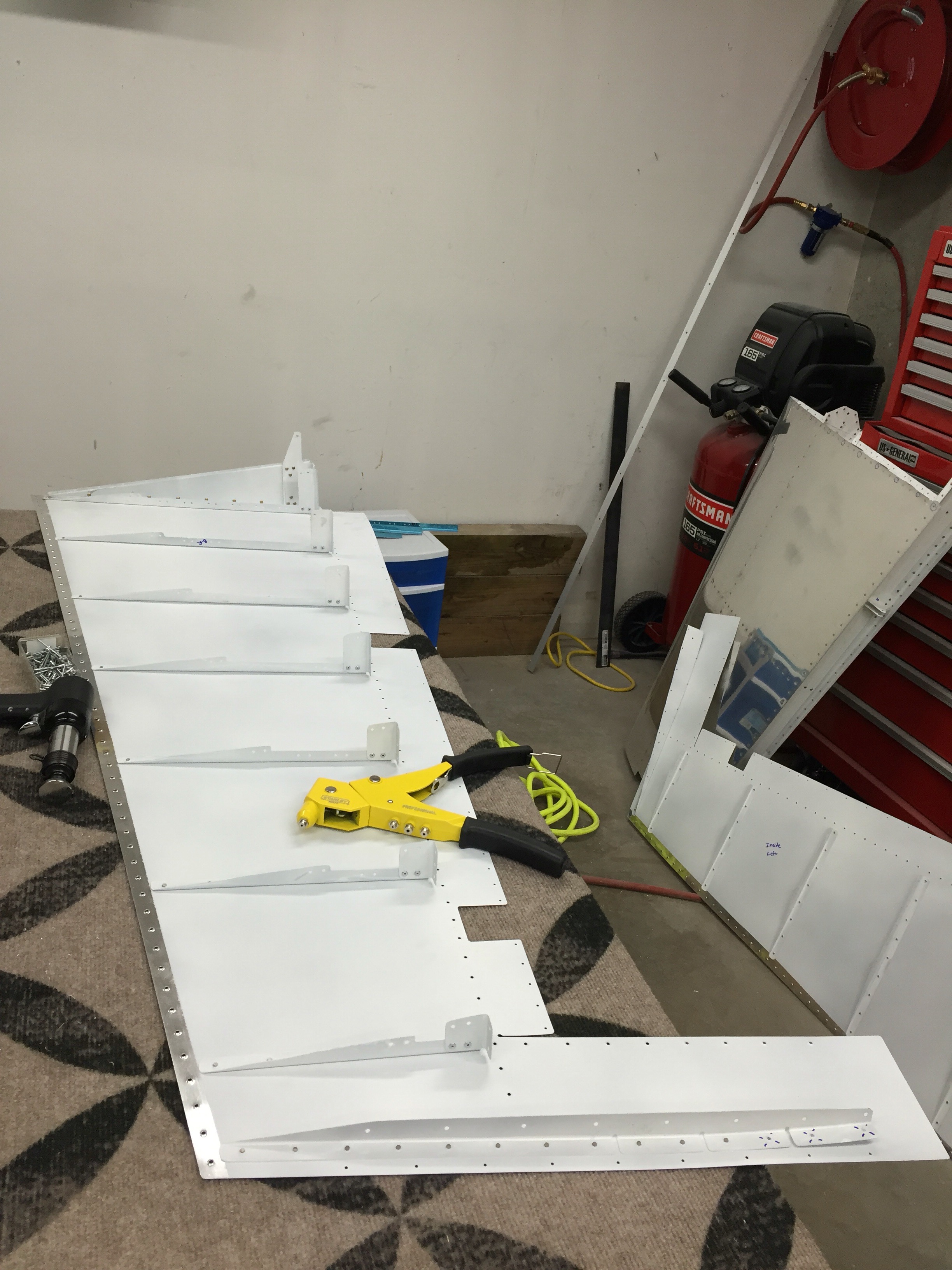
Then I came to the part where you bond the trailing edge of the rudder together. This is a relatively important step as getting a straight and true trailing edge is one of the more difficult things to do. The first step in the process is to bond the trailing edge together in prep for riveting. Bonding has helped a wide range of builders achieve good results. Traditionally, this bonding was done with Proseal; The messy fuel tank sealant material. Downside is it has a limited working time, is messy, and takes several days to cure before you can continue. VAN’s has suggested a new method using a double sided tape adhesive, namely 3M F9460PC VHB. I picked some up off of Amazon a couple weeks ago so I had it ready for when I came to this step. I prepped the surfaces to make sure they were clean, then made a couple of attempts of attaching the tape to the trailing edge wedge piece. I got frustrated rather quickly as the tape just didn’t seem to be cooperating. The adhesive had a tendency to stay stuck to the main roll of tape rather than staying on the piece I was pulling. If I got a good piece of tape going, it would quickly come to an end as the adhesive would start to stick to the main roll and pull off of the piece I was pulling, putting me back to square one. This left me with some areas that were fine, followed by area that had no adhesive at all. I got frustrated pretty quickly, and decided to call it a day after quite a bit of progress. I really don’t want to mess this step up and rush or do it half-assed without the proper materials. Pictures below show the adhesive (shiny material) completely left behind on the main roll of tape, as well as its tendency to pull off the piece I was working with and sticking to the main roll again…


So tomorrow I will see if Vans thinks this is a case of a bad batch (or past its shelf life) of tape and re-order some, and maybe even order a small amount of proseal as a backup depending on what they say. In the meantime, I can start riveting the initial pieces of the HS while I wait for something to ship.
More Rudder Progress; Horizontal Stabilizer Start

Over the last week, I’ve managed to get the skins on the rudder, match drilled, everything taken apart and deburred. Today I was able to take all of the parts to the bath tub to prep them for priming. About 2.5 hours later, I was priming all the parts. I wasn’t that happy with the priming on the VS, it didn’t adhere real well in some spots. I made a point to scuff up the surfaces better this time, as I don’t think I did enough of that last time, and didn’t give a good surface for the primer to stick to. I also bought a case of better Scotchbrite pads from Amazon for the job, plus I only have a couple of maroon pads that came with my tool kit, so I’ll need more anyways. After the prep today all of my parts were dull looking, skuffed up pretty well, no shiny surfaces remained. We’ll see how this session of priming went and decide whether I need to buy some etching solution as an additional step prior to rinsing and priming the parts.

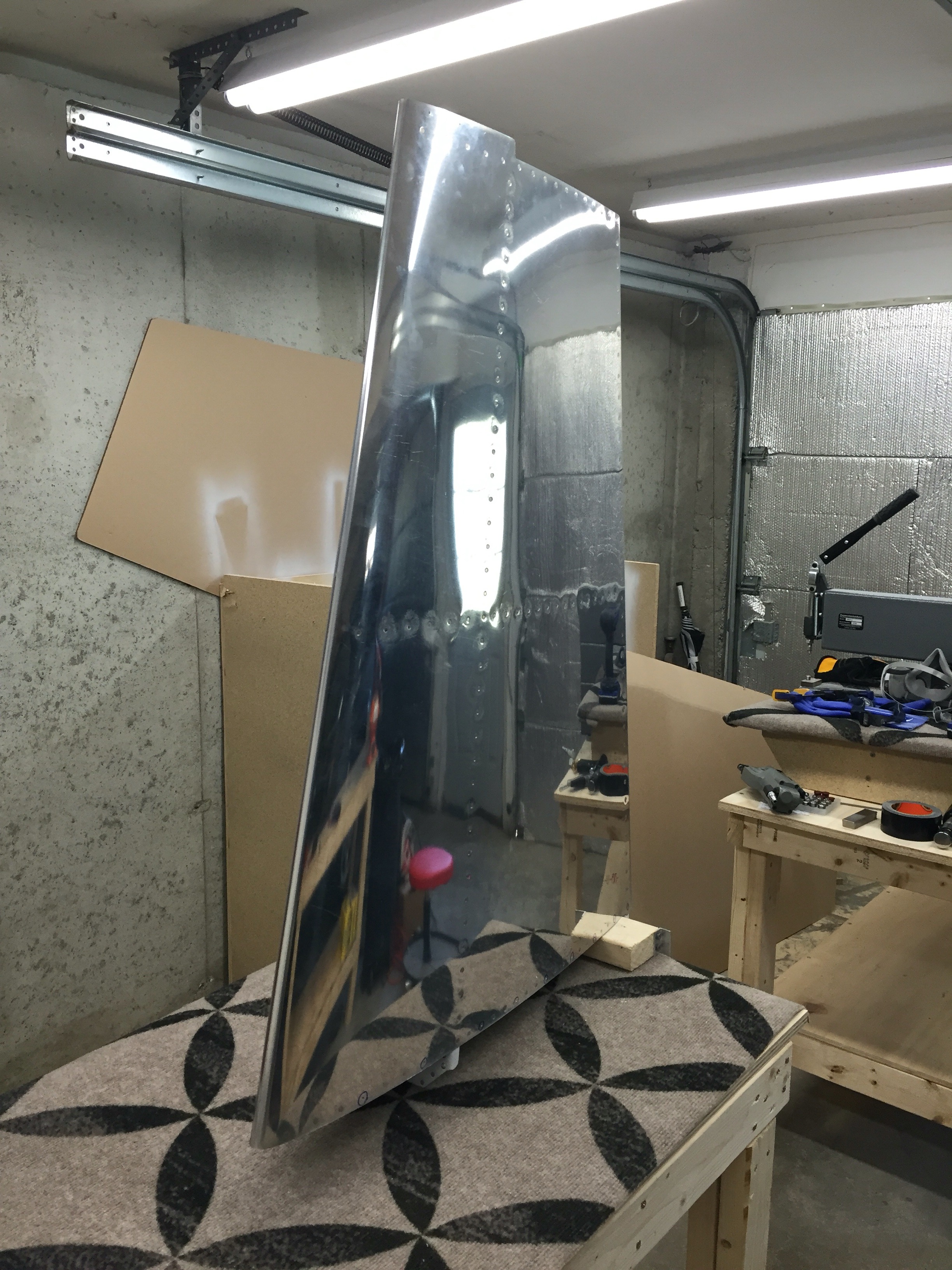
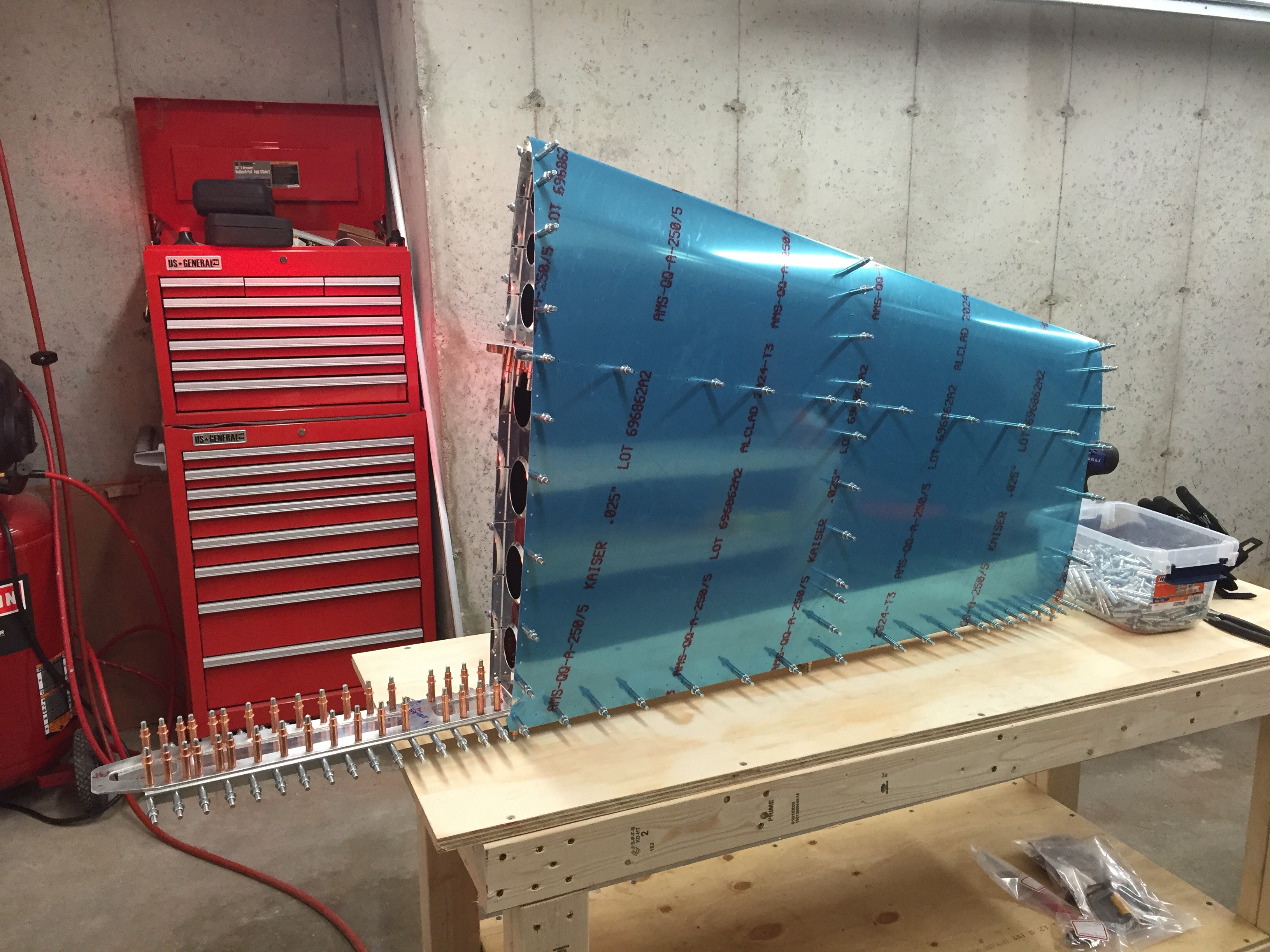
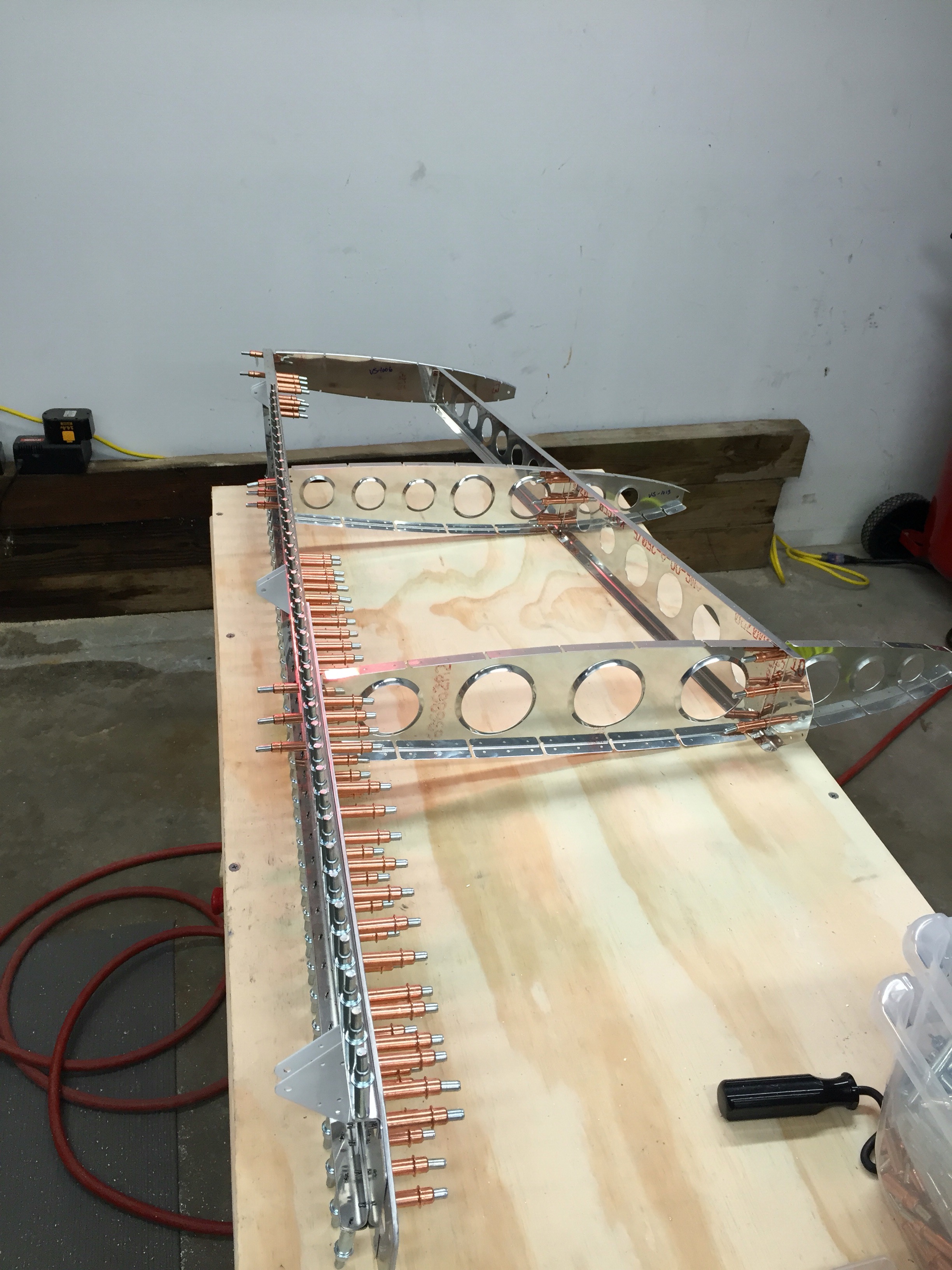
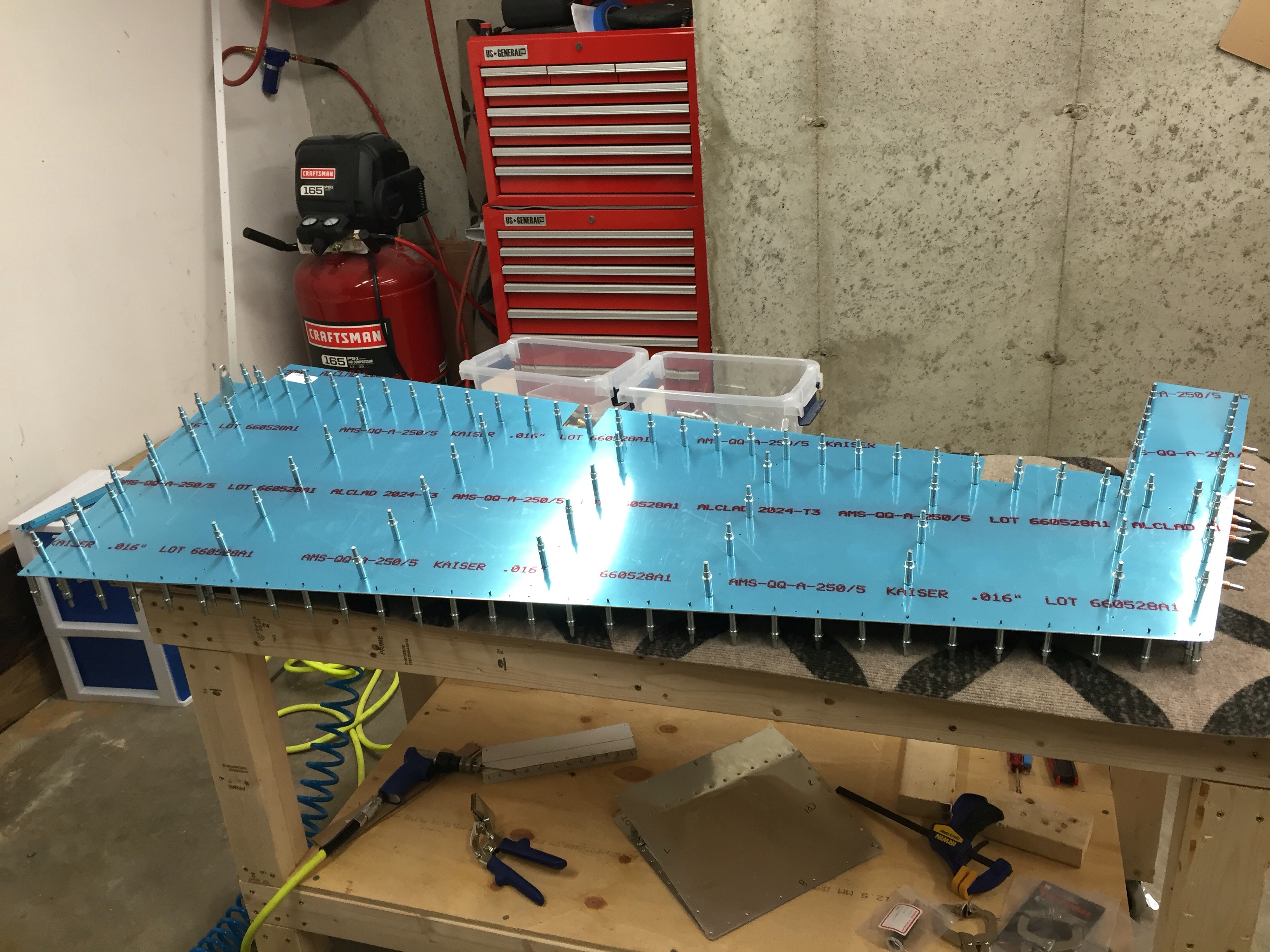
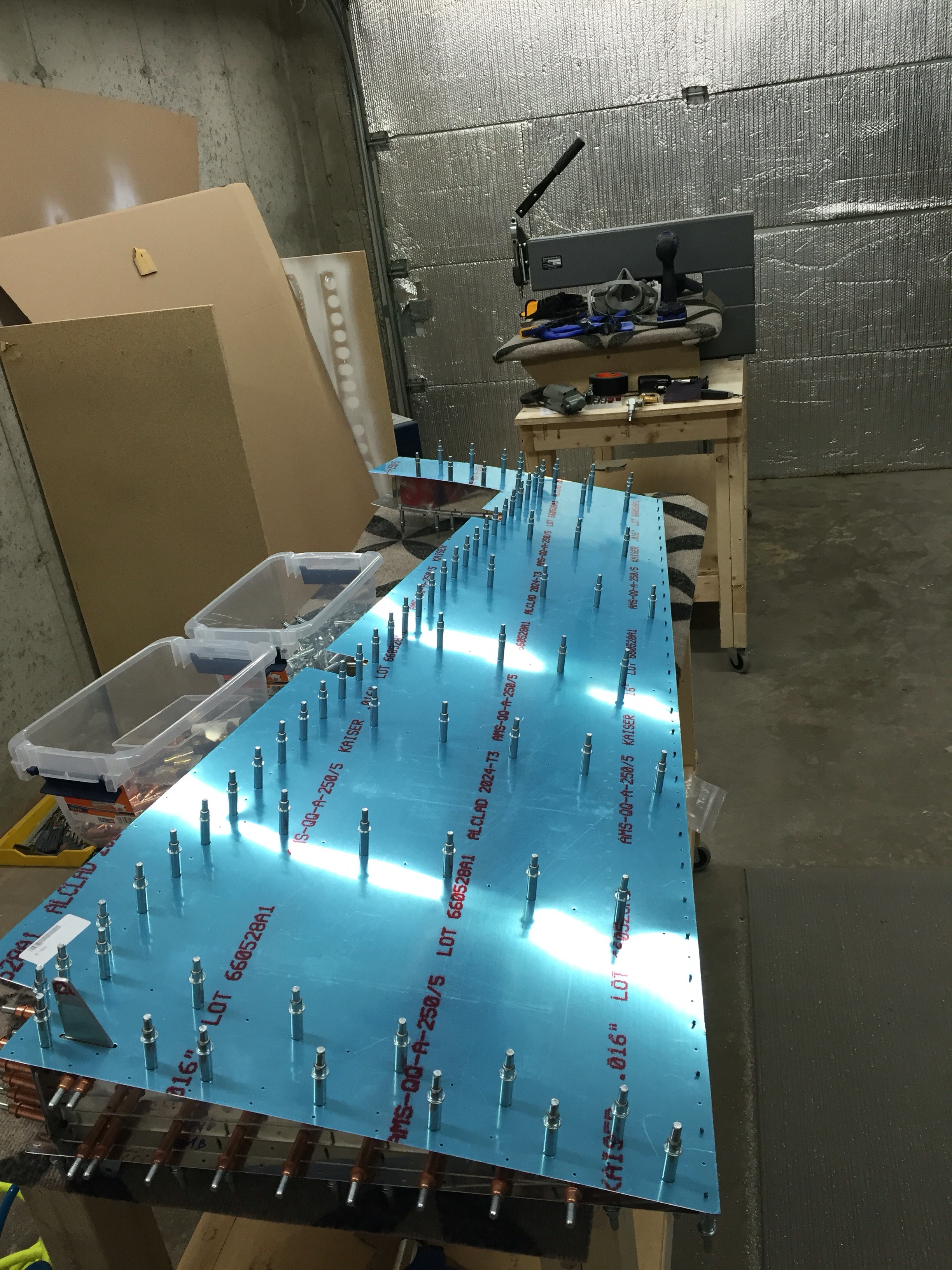
A couple of pics of the rudder as I was preparing to match drill all the holes common to the skin and the skeleton.

Like before, while waiting for the rudder parts to dry enough to flip and spray the other side, and dry again, I decided to start on section 8; The Horizontal Stabilizer.

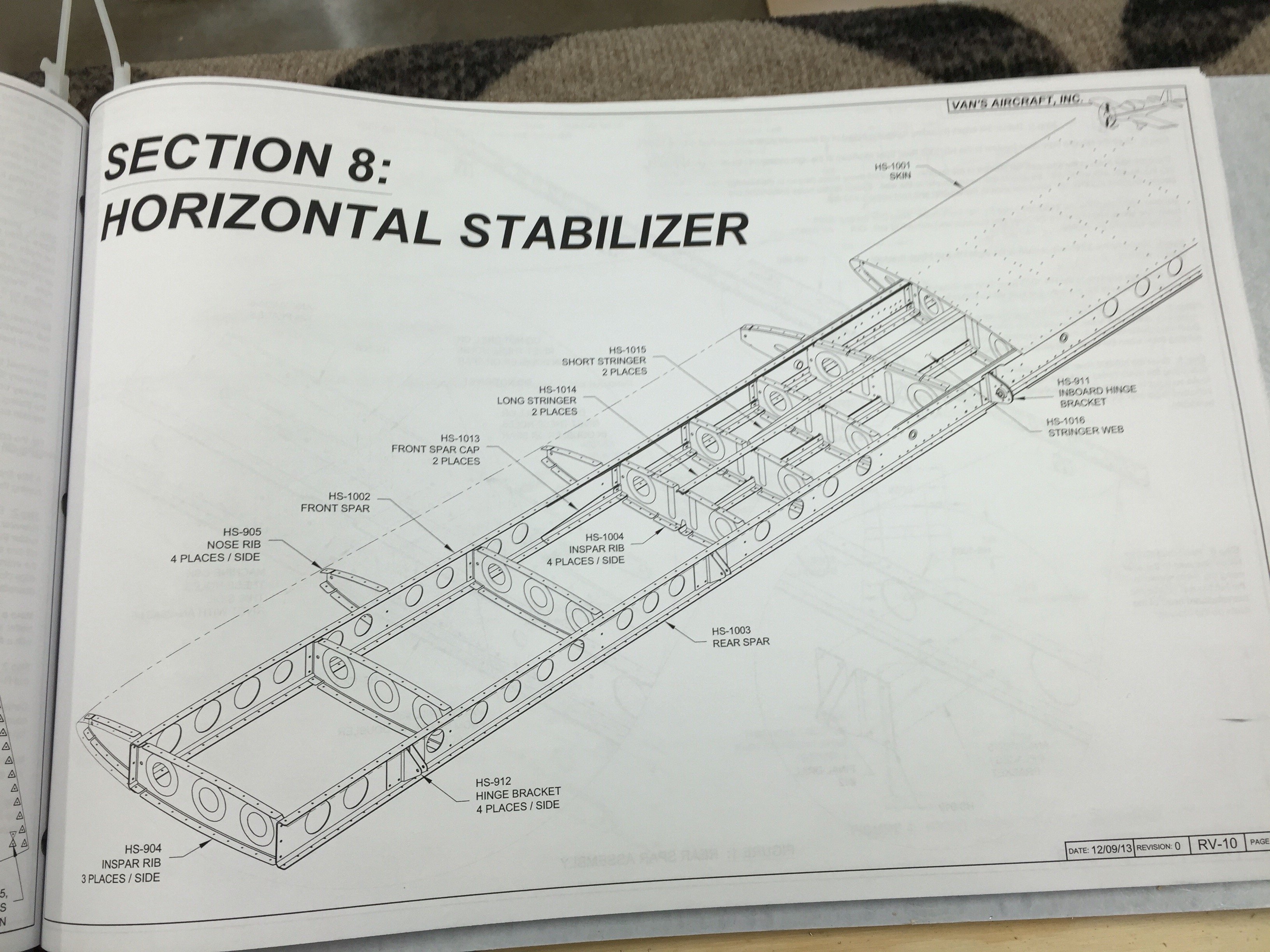
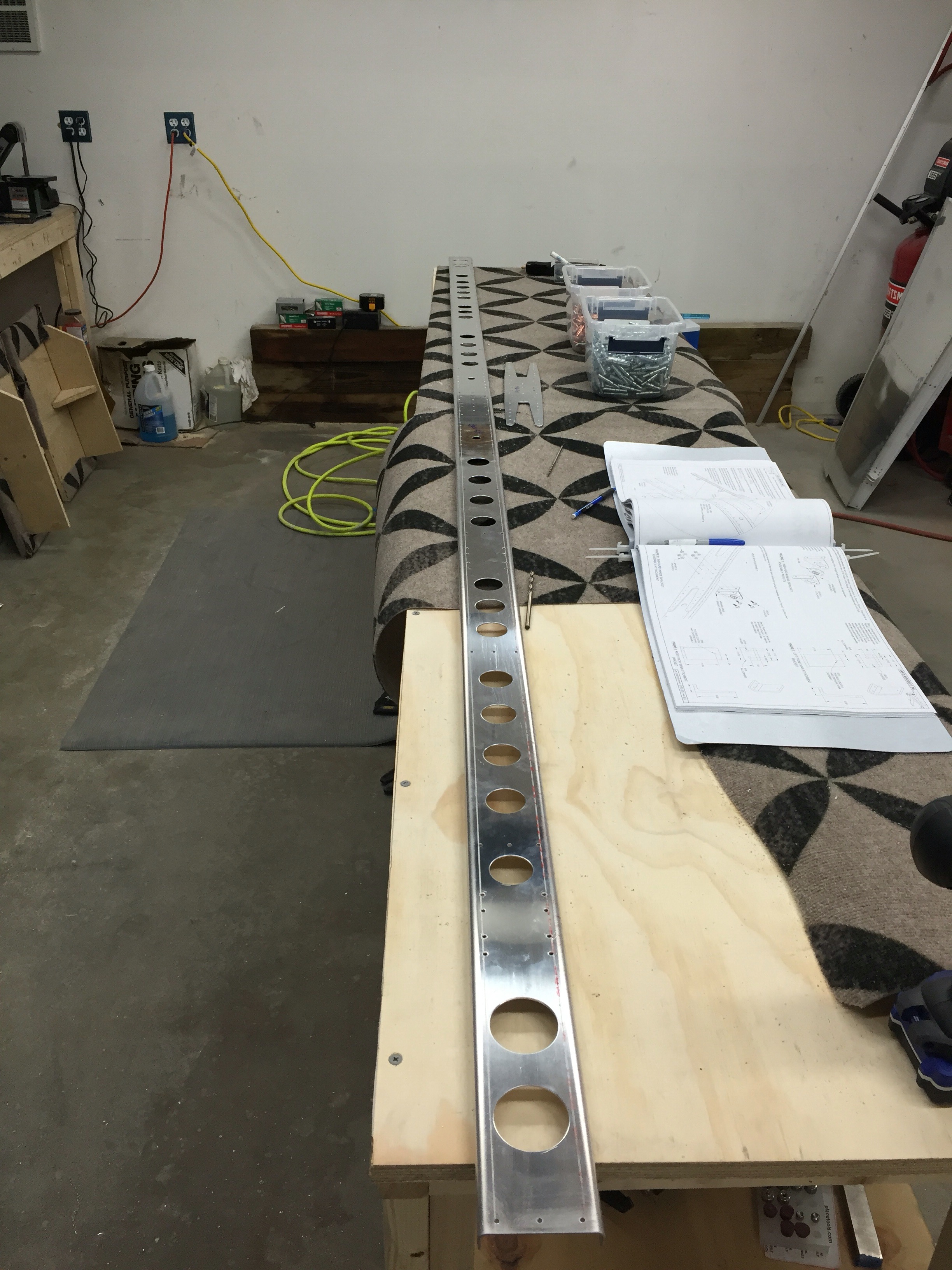
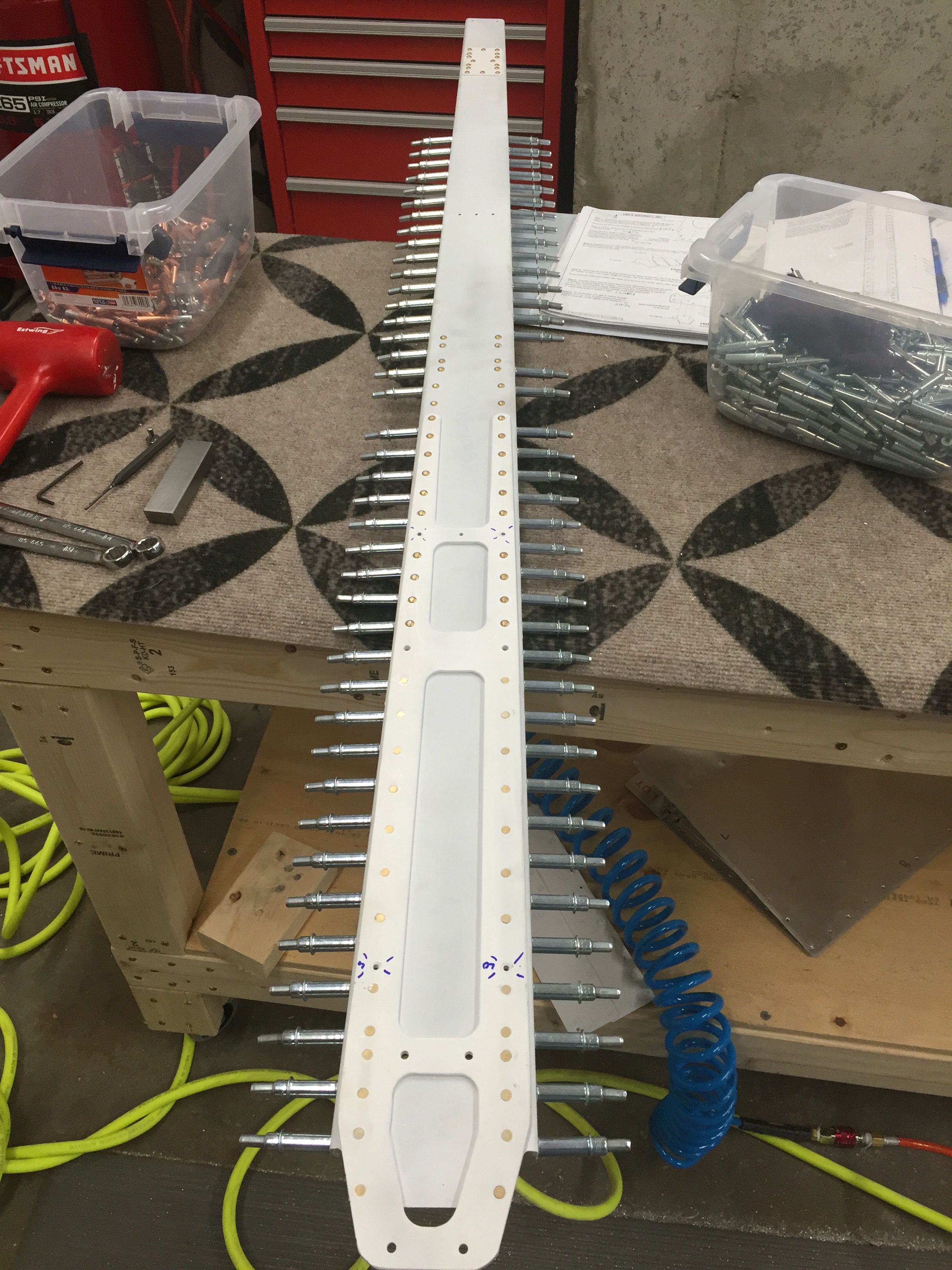
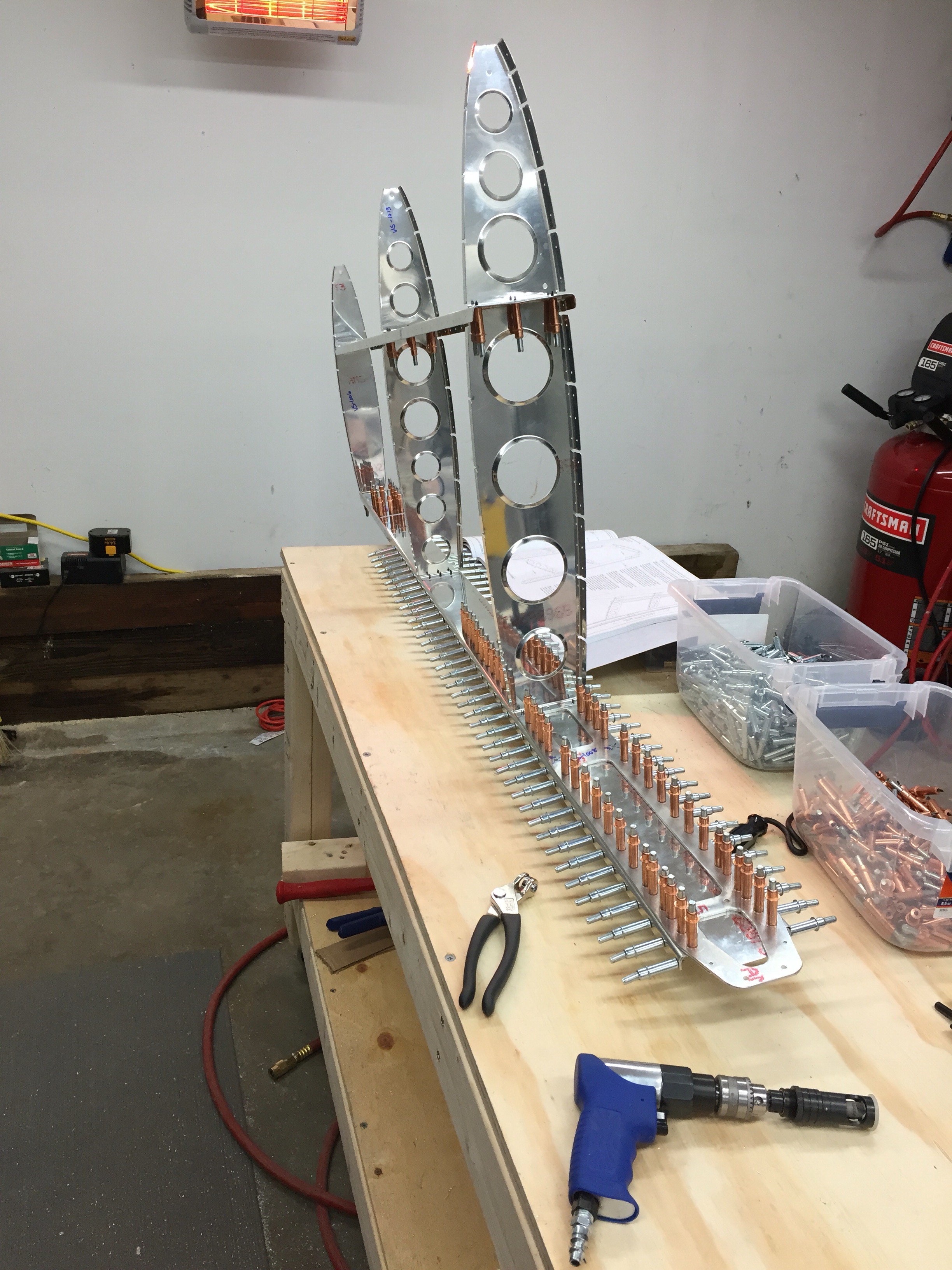
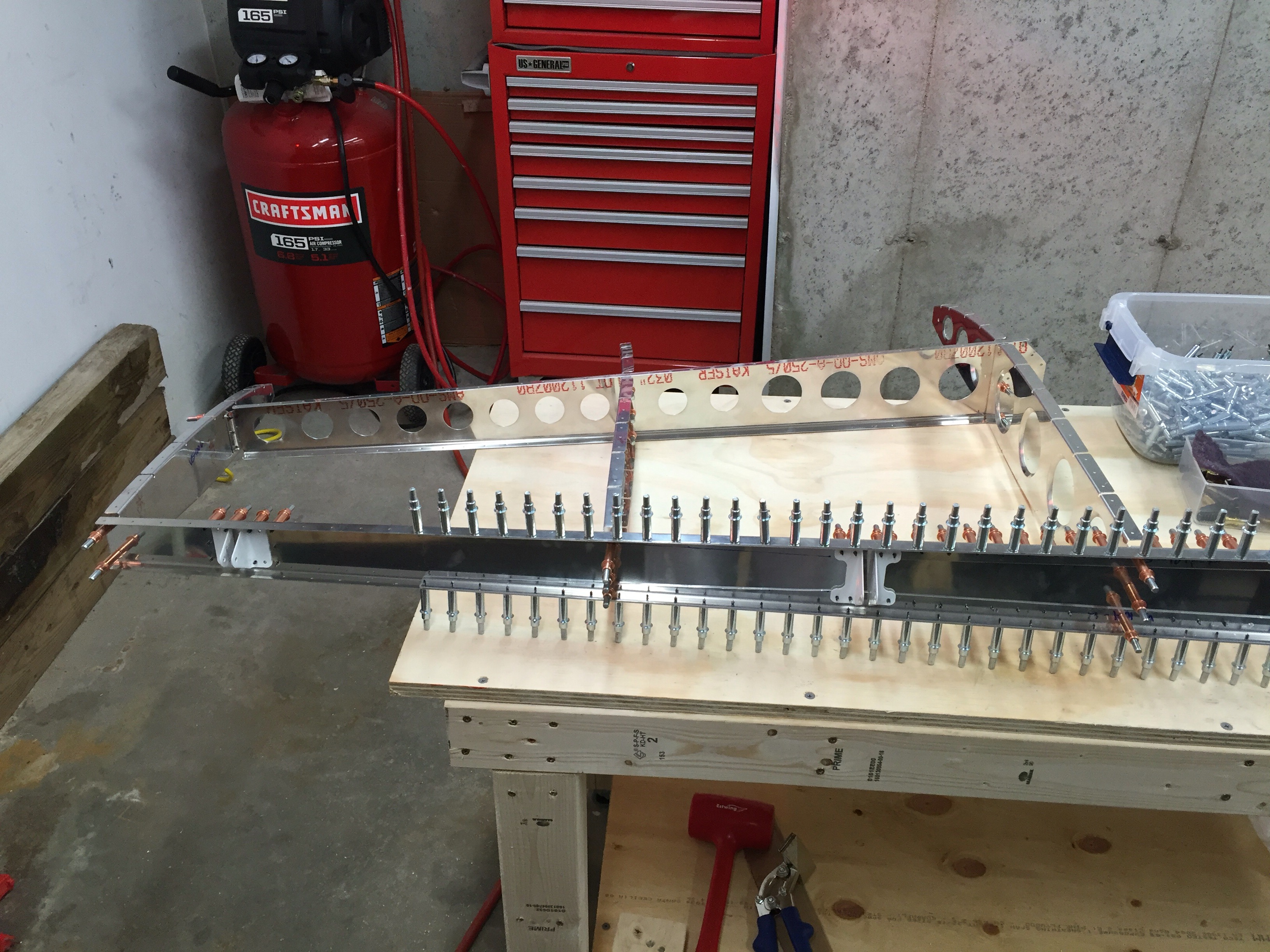
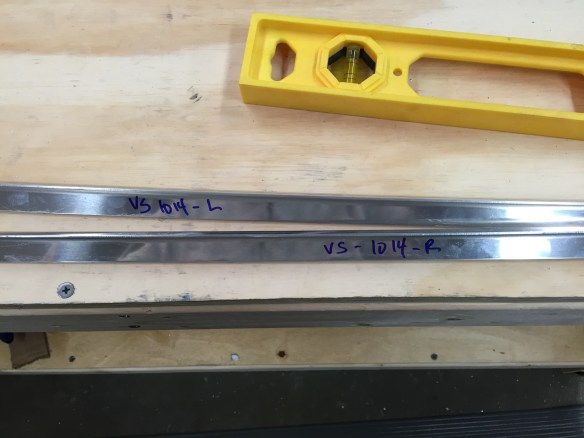
I got the rear spar, stiffener, and Hinge Brackets deburred, match drilled, taken apart and holes deburred. I was rather surprised that at such an early stage (page 1, in fact) that the instructions tell you to prime the parts you just worked on, as we’re going to start riveting them already.. Okay… So I prepped the parts in the tub again, a bit of a challenge with the spar being so long (see the picture below), and let them dry as I took a break for dinner. I actually needed to butt the two work tables up against each other for the first time, as this is a pretty long part. The tables are 5 feet long each, so this part is a little over 10′ long.

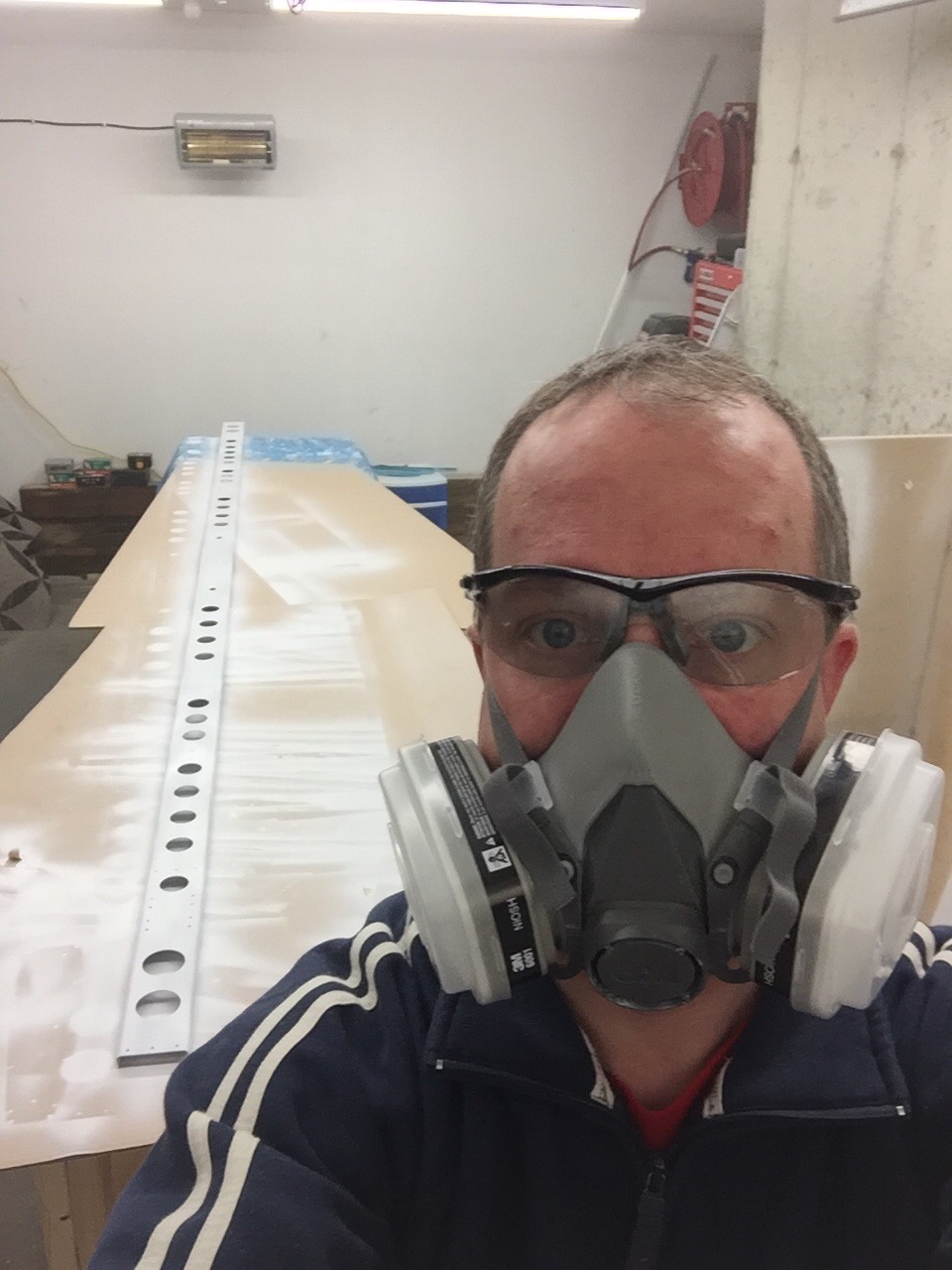
A quick “selfie” in my garb after finishing the primer coat on the Horizontal Stabilizer Rear Spar.

Tomorrow I should be able to start riveting the Rudder together once the parts cure overnight.

Vertical Stabilizer is Done!

I had Good Friday off from work (a new holiday in the acquired companies calendar) which allowed me to spend 2 long days finishing the Vertical Stabilizer!

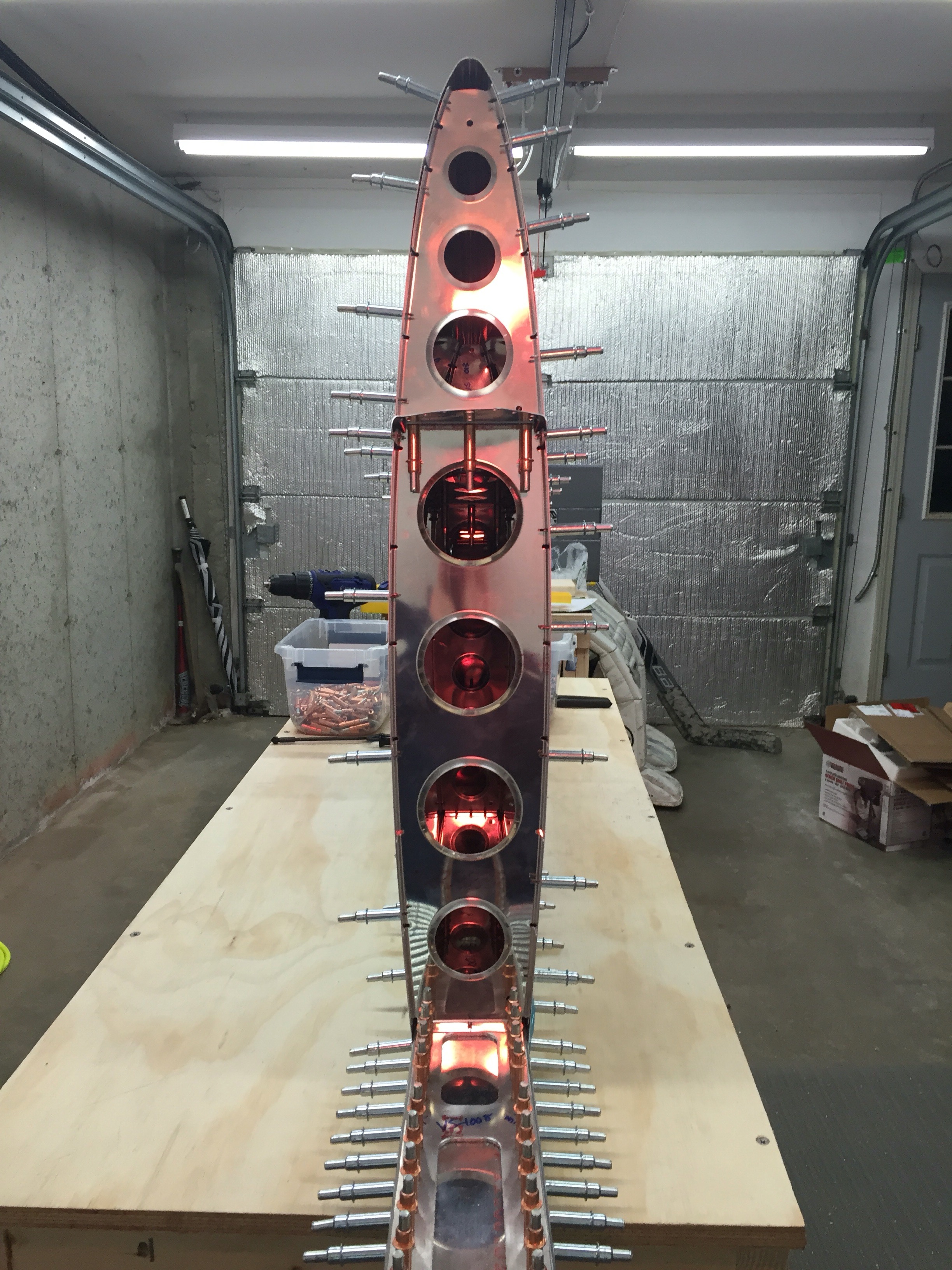
A real airplane part is now complete. Certainly was interesting reaching into/underneath the skin with one hand while trying to rivet with a flush set in the other hand. Especially connecting the upper portion of the skin to the forward spar. Here you have to remove just enough clecos to bend the skin upwards to slide your hand/arm underneath to hold the bucking bar completely blind. Luckily I had quite a few to buck prior to that so I got a good feel for how to hold the bar with equal spacing on all sides. It actually went better than I expected.


Time to keep making progress on the Rudder.

Vertical Stabilizer Assembly and a Mistake

Once all of the primer dried, it was time to start assembling the Vertical Stabilizer!

I got started by putting the rudder stops on the bottom-most rudder hinge.

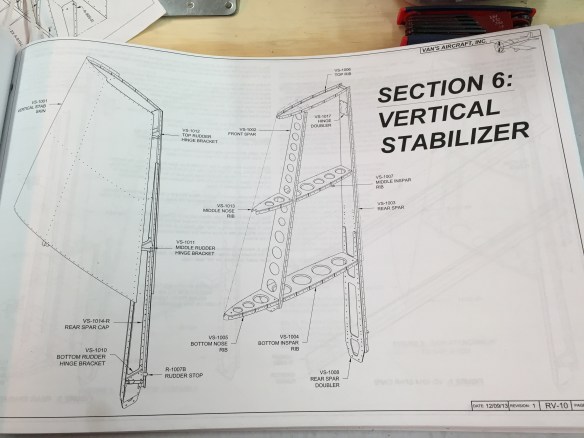
The next step was to assemble the spar, doubler, stiffener plate, and the remaining rudder hinges.  Here I am doing that step.

Once that was done, it was onto riveting the spar pieces together. My pneumatic squeezer made quick work of that.


Next up, was putting the skeleton back onto the spar and riveting some of the upper ribs to the spar. Once that was done, I cleoco’ed the skin onto the skeleton, and started to rivet the forward middle rib and skin together. I got one side done, and after flipping it over, I got the the 4th rivet and decided I needed to drill that one out. I drilled the head out and started to use my punch to push the shank of the rivet through. Once the shaft let loose, it caused my punch to go through the skin hole and bend the flange of the rib behind  it. SIGH!

Of course, looking at this picture, I realize I need to put some tape on my bucking bar, or be more careful to not scrape it on the rib edges. It’s taken off a bit of my primer.

So I drilled out the rivets that I had completed on that side and uncleco’ed the skin to open it up. I was able to bend the flange back into a reasonable position that should work. Being a bit concerned, I also contacted Van’s support to ask if they thought it was okay to build on or stop and order a new piece. I was pleased when about a half hour later, they responded that it doesn’t look like it bent enough to cause work hardening and to bend it back and carry on. Here are a couple of pics of it bent back mostly into position.


I was then able to close things back up and re-rivet the rib. I also completed the froward parts of the top and bottom ribs as well.


   More work on finishing up the VS this weekend.

VS Priming and Rudder Start

This weekend I was able to prime all of the components of the VS as a final prep step prior to riveting it together.

The first step was to transport all of the metal upstairs to the bathtub. I then used a wet scotchbrite pad with a dusting of Bon Ami to scrub down each of the parts. The parts were then rinsed and wiped off dry. I let the parts sit for an hour or so for additional drying time.

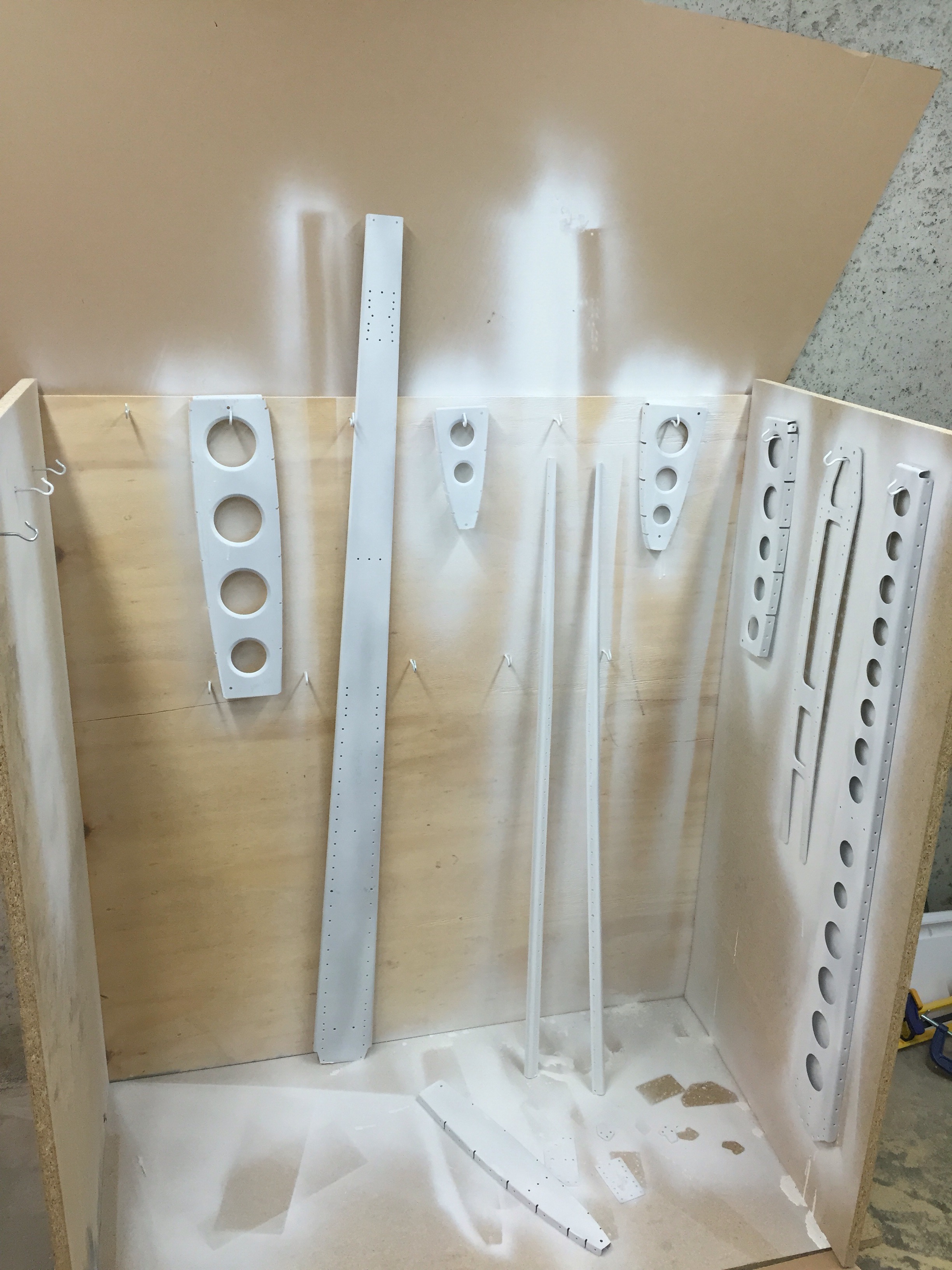
Once back downstairs, I started by using some leftover plywood and particle board from bench construction to create a makeshift spray booth. I used some hooks to hang the ribs and other items from while spraying.

This being my first time using a spray gun, I’d say the parts came out okay. Some playing around with the quantity of liquid and spray pattern settings on the gun on the application to the back side of the parts proved to be a bit better. It was clear that I had too much volume the first time around, and with the primer being relatively thin, I got some dripping going on. I may do a quick touch up mid-week and apply a thin 2nd coat. It turned out decent overall, and like anything in this process, the second time you do something it’ll go faster and turn out better.

Between priming each side and also waiting for drying to happen, I decided to make use of the down time and start section 7, the rudder.

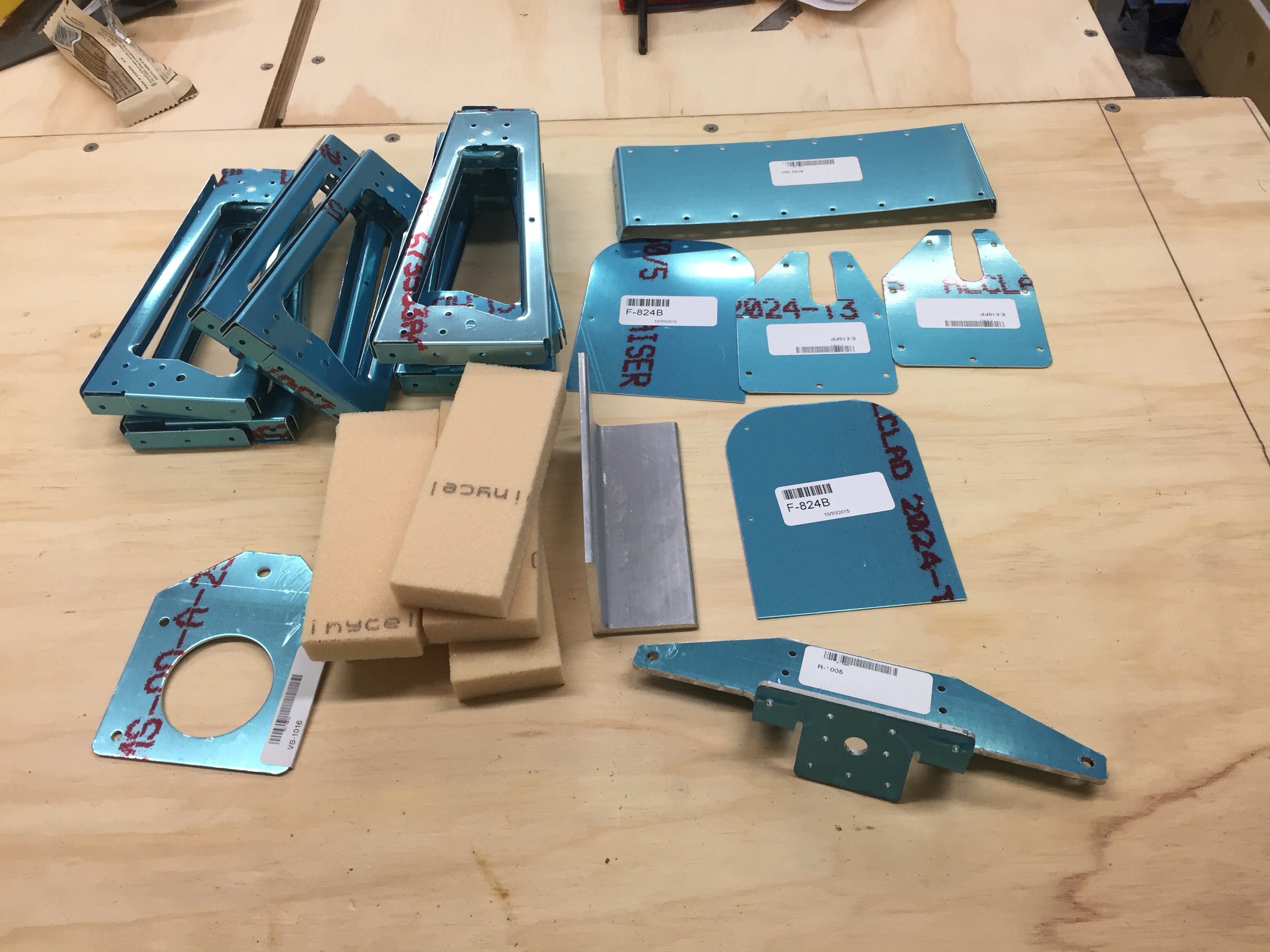
Lots of cutting to separate combined parts, trimming to spec,  and deburring them all. It seemed to go pretty quickly and was able to start on getting the rudder horn attached to the main spar and match drilled.


VS Progress Update

Posting a couple of additional pictures of the progress. I’m at the point where I have all prep steps done and I’m ready to prep and prime the internal surfaces in preparation for final assembly (with rivets).


I’ve decided to use Stewart Systems EkoPrime for my primer solution. It is a water-based and non hazardous /toxic paint. It isn’t the best solution, but I’m of the mindset that putting some sort of primer on the interior surfaces is better than nothing. Most of the aluminum being used is alclad, meaning that it already has some degree of corrosion protection on it. Some people, and several certified airplanes, don’t use any primer on interior surfaces and are perfectly fine for 30 or more years. I’m also spraying this in my house, so I’d like to keep the fumes and dealing with toxic chemical disposal to a minimum. Also cleanup is a breeze compared to using an epoxy-based primer.

I’m also planning on using a household cleaner similar to Ajax or Comet called Bon Ami for surface prep. Once again, this is all natural and has no harsh/toxic chemicals. Plan is to sprinkle this power-based cleanser on a scotchbrite pad, wet it, and scrub the surface clean. This is followed by a rinse and drying time. Then I’ll have a few hour window to spray the primer.


I also asked for, and got a few new neat tools for my birthday coming up next week. Deburring all the holes after drilling is one of many time-consuming tasks. especially having to hit each hole drilled twice, once on each side. I found out about Ezburr bits that are designed to deburr a hole on both sides with a single pass. It deburrs the front of the hole when the bit is passed into the hole, and the back-side of the hole on the way out. Saving lots of time.

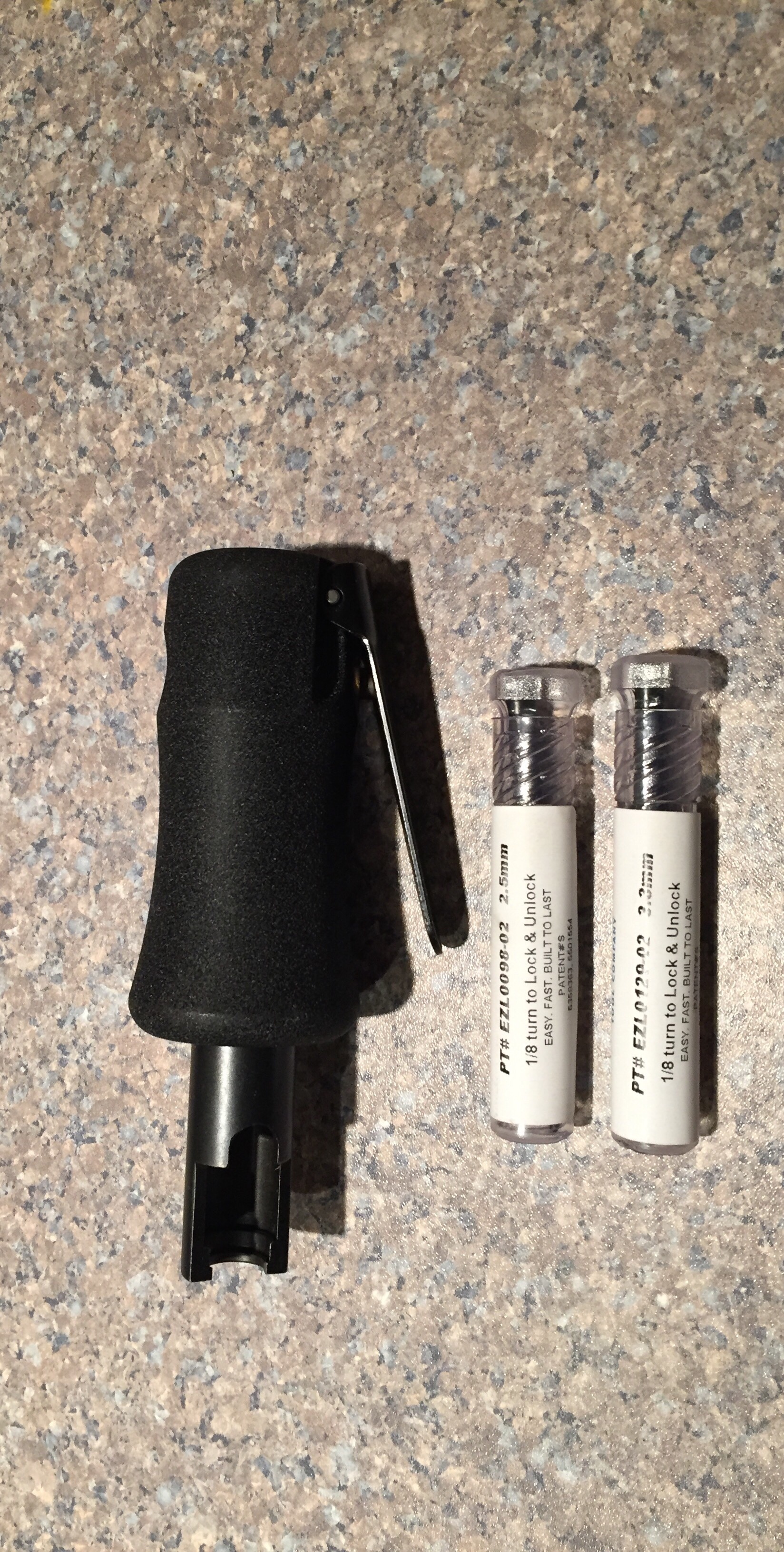
The other tool I got was a pneumatic cleco tool. Using the manual set of pliers takes a toll on the forearms. Lots of repetitive motions putting cleos in and taking them out. This tool seems to help a tremendous amount to remedy that.


Inventory is Done

It’s been a long time coming, but I finally got some time today to finish taking inventory. Van’s gives you 30 days to report any discrepancies and fortunately I didn’t find any.


Last weekend we spent some time with friends up north, and then I spent a day and a half getting the flooring completed in our master bedroom. So working on plane things got delayed a bit. It’s amazing the amount of stuff that they package into the crate.

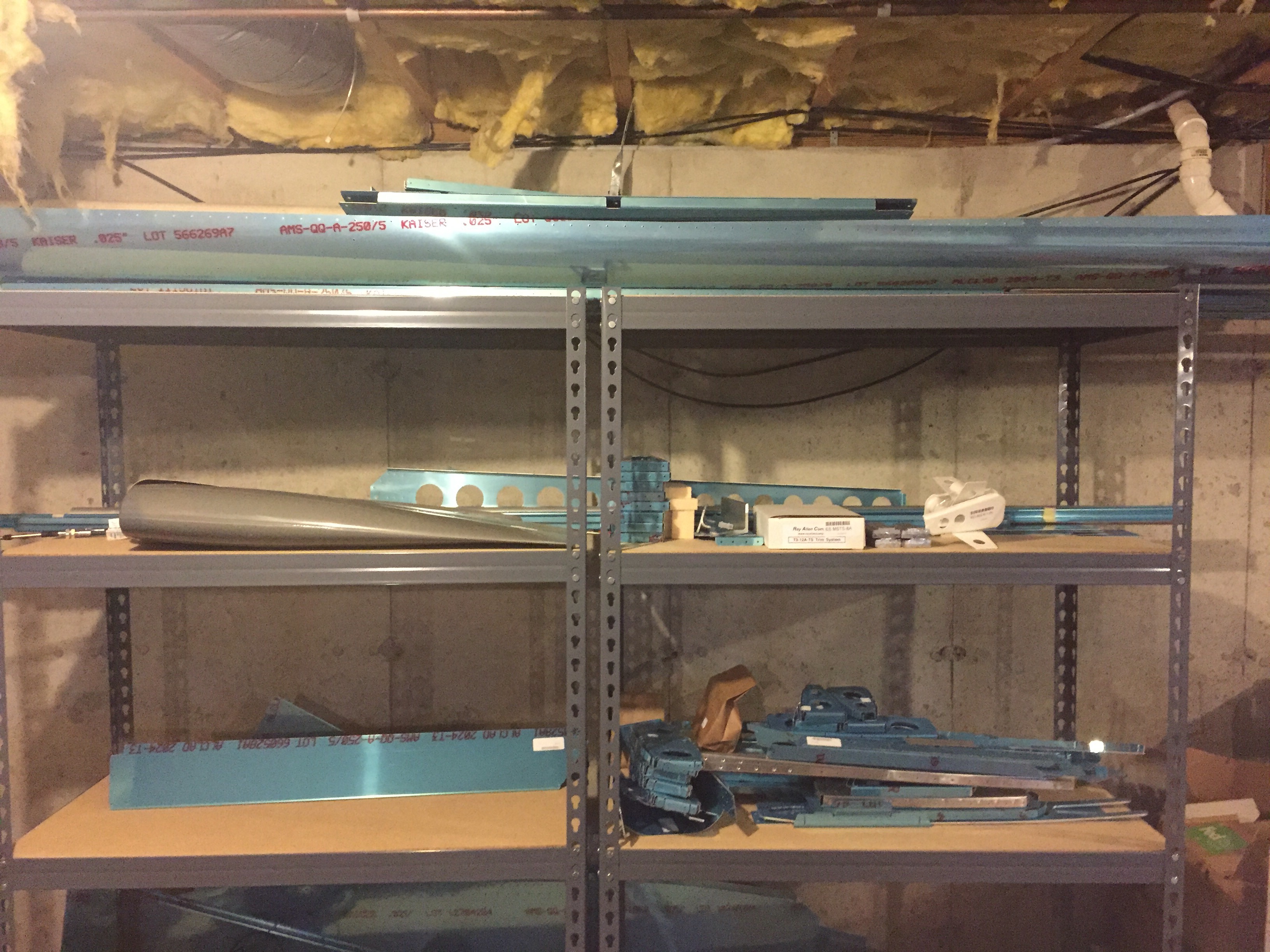
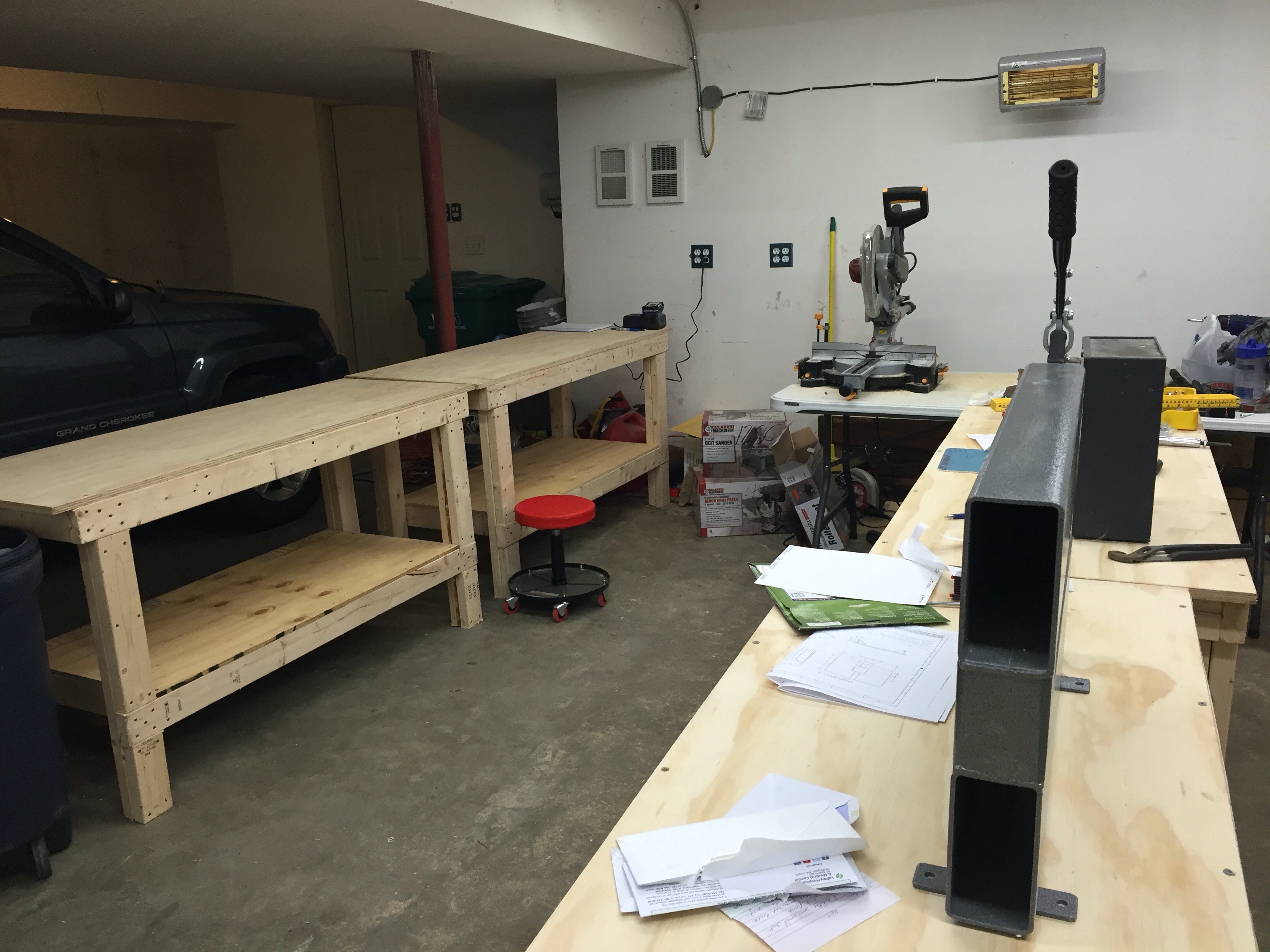
I was then able to organize all of the hardware into a storage bins, hang up my air compressor hose reel, and organize the workbenches the way I want them.

Tomorrow I’m off to Vermont on an annual ski trip. I’m now in a position to start actually working on the plane. I do have the practice airfoil kit that I will spend some time on getting used to my new tools and air compressor setup. I’d rather play around on that for a day or so then to damage real airplane parts. Seems like the month of March will kick off the actual build of my RV-10.